Products

Sensor Seal

Condition monitoring for every roller, from inside the roller.

Powered by the roller's own rotation, it measures bearing temperature, vibration and speed and reports them wirelessly, with no batteries or cabling.

EVERYrollerMonitored at the bearing
ZEROwiresPowered by the roller's rotation
ZERObatteriesLasts the life of the roller
ZEROfeesSoftware free for life
Overland conveyor at dusk, with one roller overheating
Why it matters

One failing bearing in 100,000

A large underground mine runs 20,000 to 50,000 rollers, each containing two bearings that can fail.1 Any one of them can seize and stop the conveyor, and collapsed idler bearings started 46 % of the 105 underground conveyor fires in the NSW coal mines inspectorate's 15-year review.2

Hazelwood mine, Australia, 2006 A$30million

Estimated damage from a fire traced to one failed idler bearing, which inspection rounds had missed.3

How conveyors are monitored today

Inspection rounds

Days between rounds, labour on every kilometre, and crews working beside moving belts.4

Handheld thermal and acoustic checks

One snapshot of each roller per visit.

Fixed cameras and drones

Every roller needs a clear line of sight from the camera or drone.

Fibre-optic sensing

High overall cost, with heat or vibration traced to a stretch of conveyor instead of a single roller.

Externally mounted sensors

A battery or a cable for every sensor, mounted on the frame, away from the bearing.

Smart rollers with subscriptions

Vendor lock-in, high unit cost and annual fees, with readings hours apart on large installations.

Sensor Seal

Every roller, reporting from the bearing

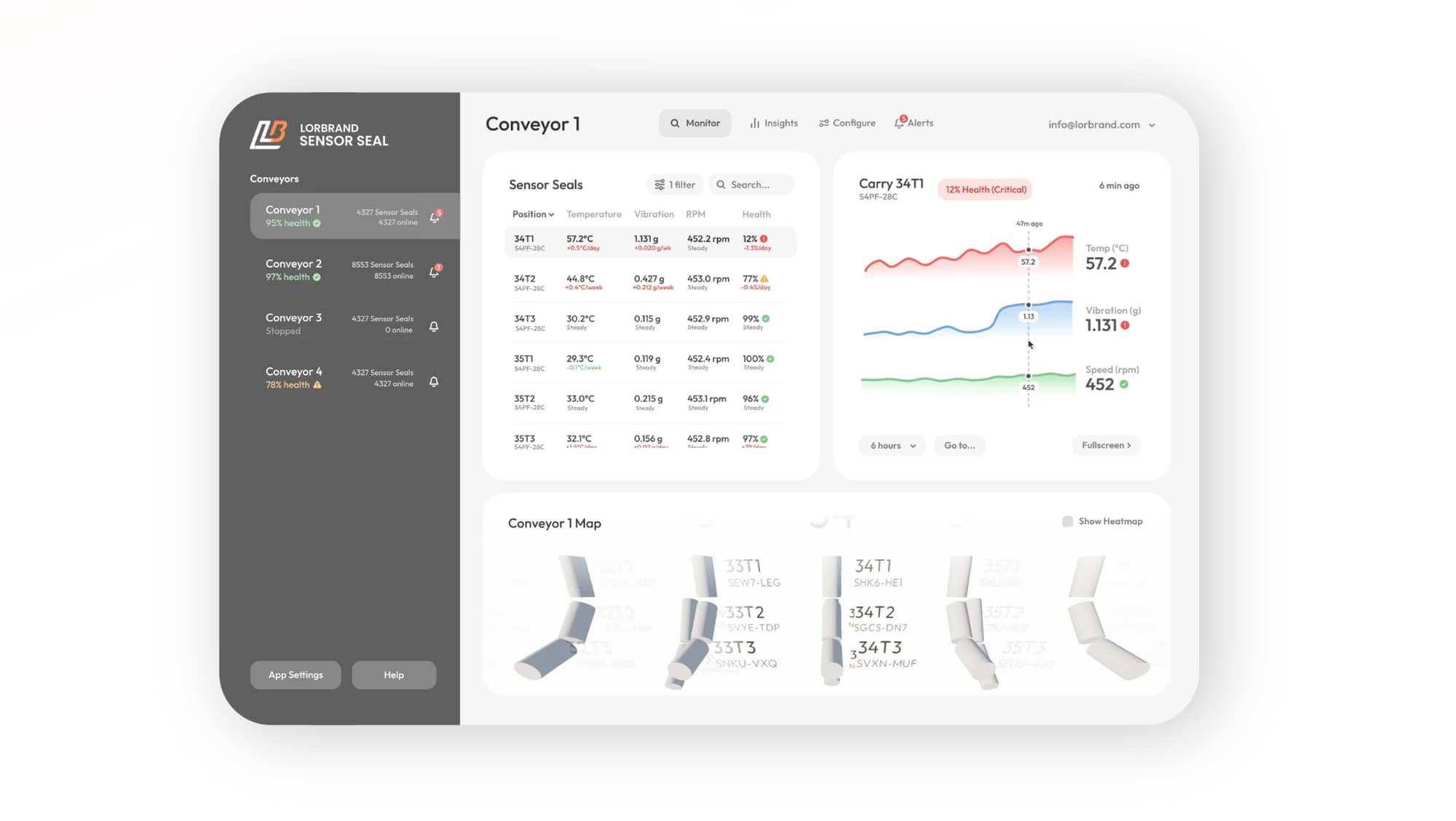
With a Sensor Seal in each roller, the dashboard shows which roller is failing and how its bearing is trending, so the crew can change it at the next planned stop.

Whole conveyors

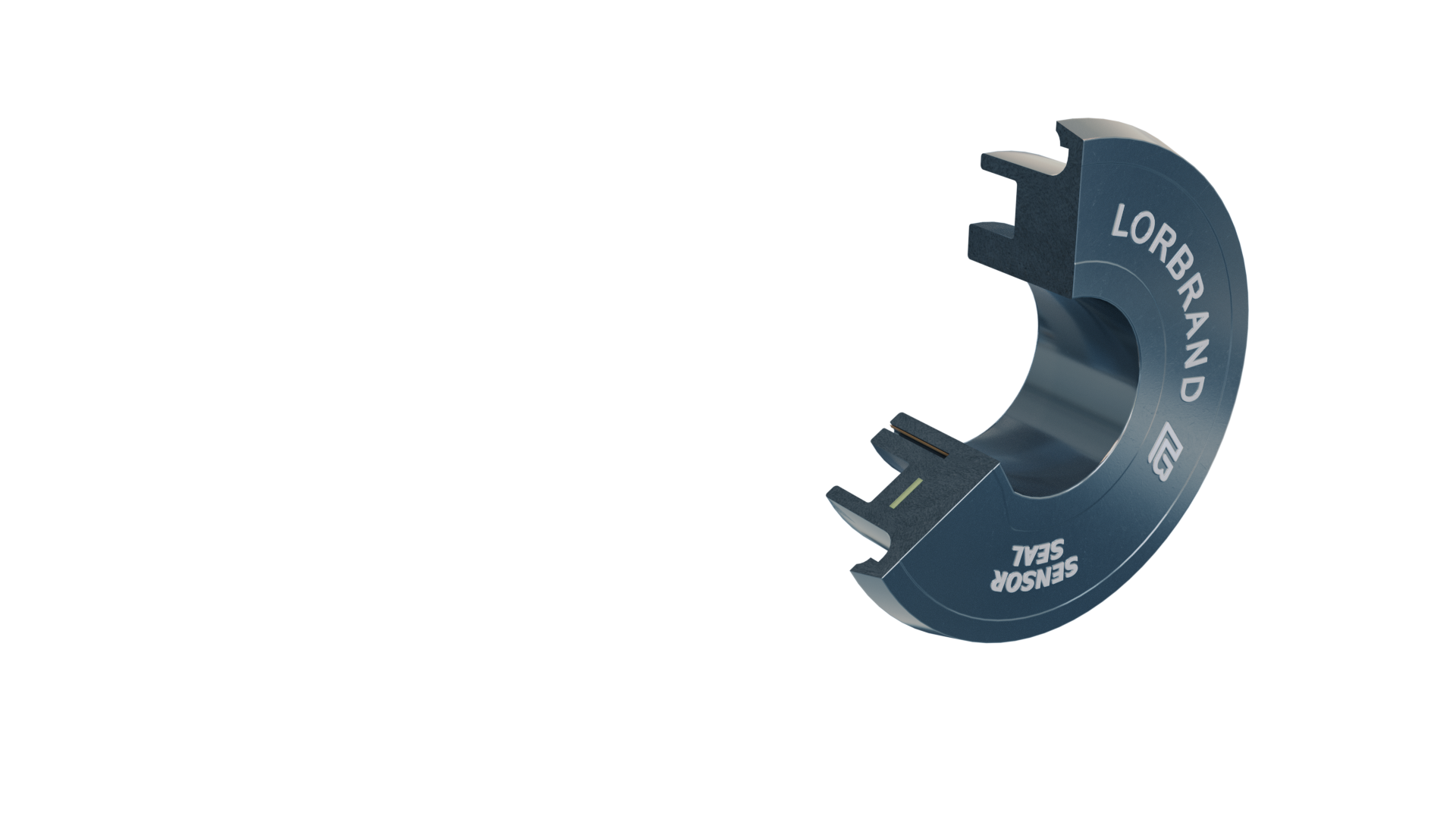
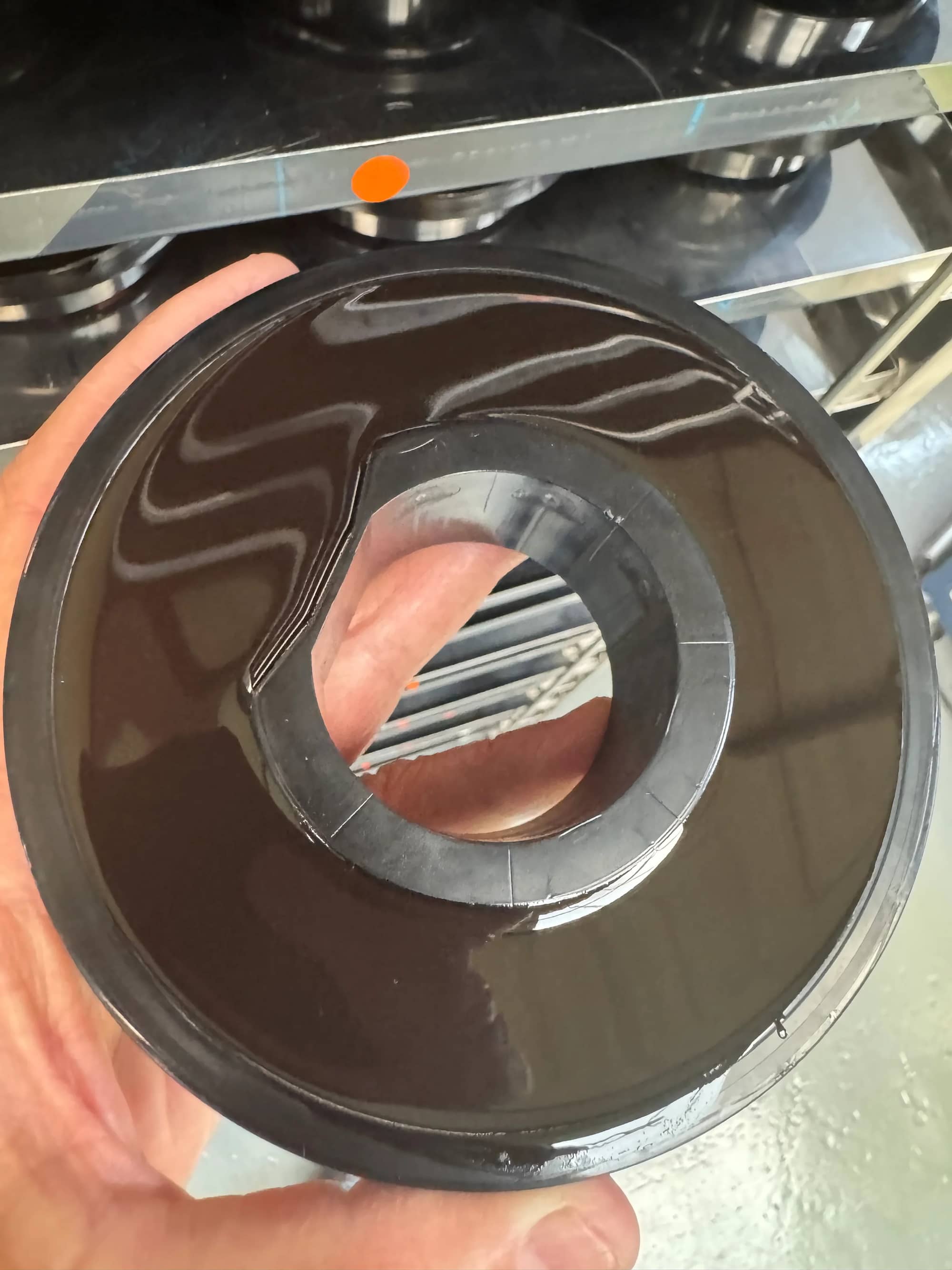
A Sensor Seal takes the place of the roller's standard seal, at a unit cost low enough for every roller on a conveyor to carry one.

Readings in seconds

Each Sensor Seal reports as often as every 2 seconds, so the dashboard follows a bearing as it heats up.

At the bearing

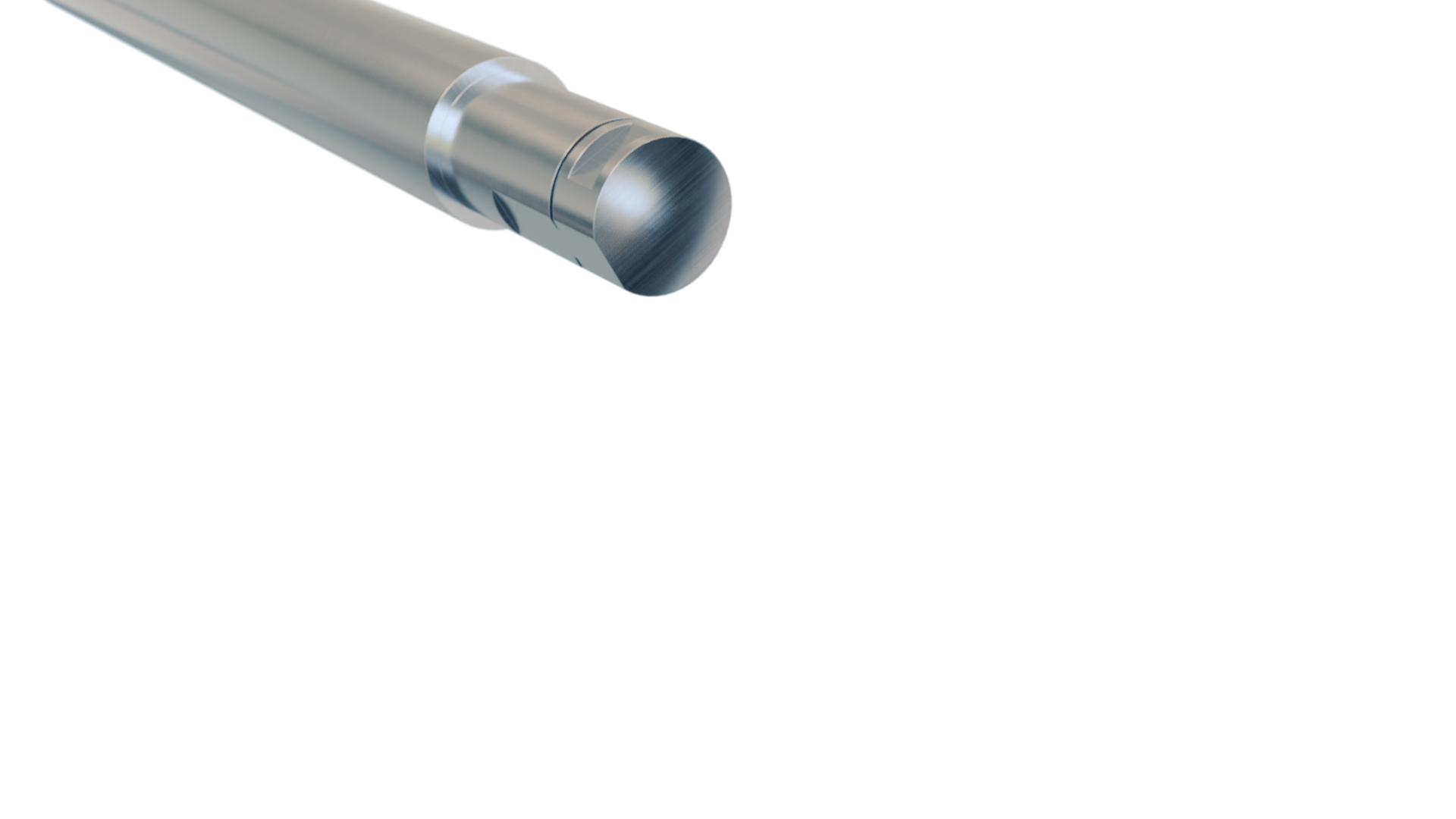
The sensor module sits on the shaft beside the bearing and reads its temperature at the inner ring.

No subscription

The software, on site or in the cloud, is free for the life of the product, however many rollers report to it.

How it works

Powered by the roller it monitors

As the roller turns, the magnet rotor spins past the generator coil and powers the sensor module. There is no battery to replace and no cable to run: whenever the roller turns, the Sensor Seal is measuring.

Standard seal Sensor Seal
Section through a Lorbrand rollerFull section

Select a part to zoom in

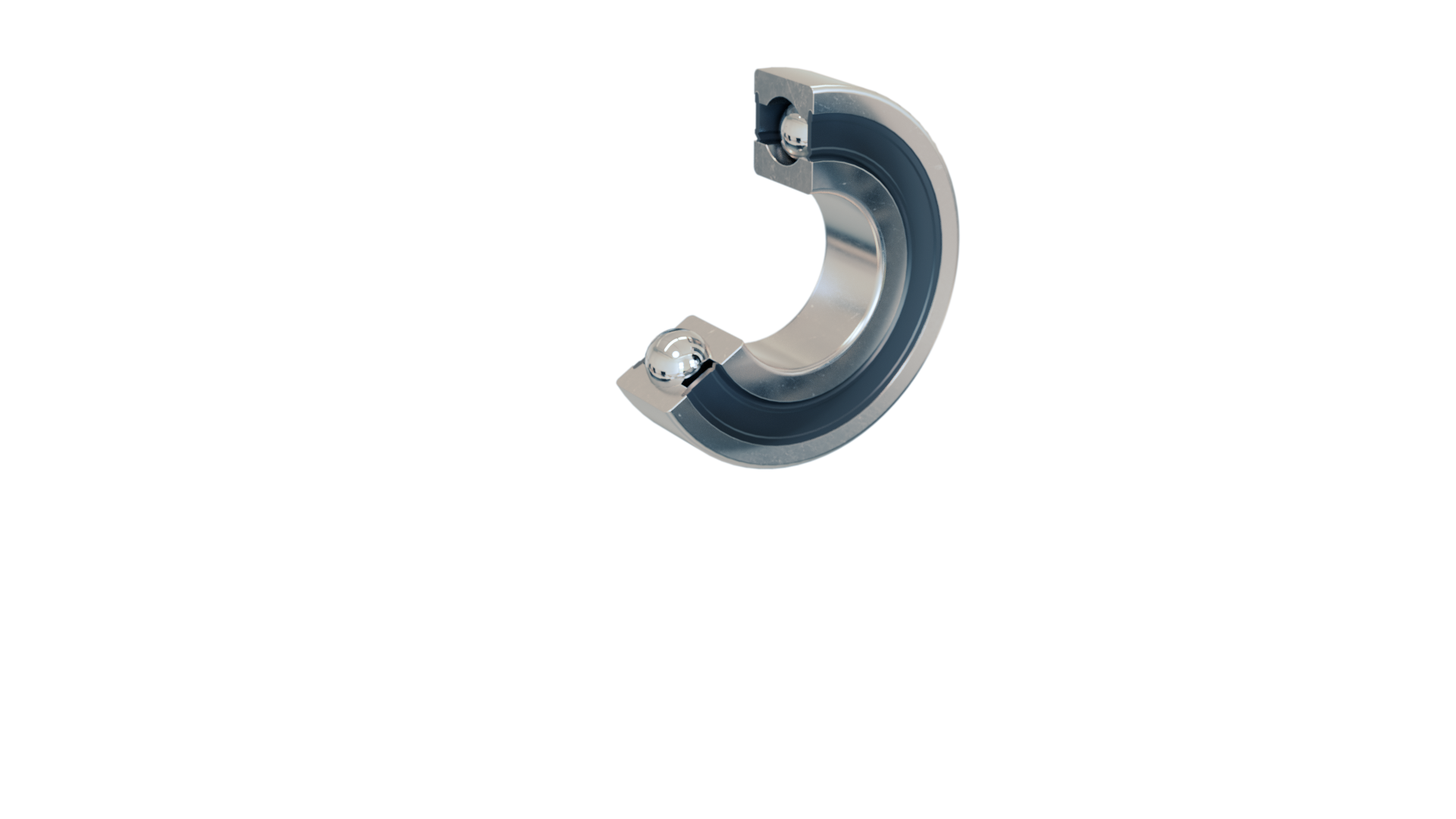
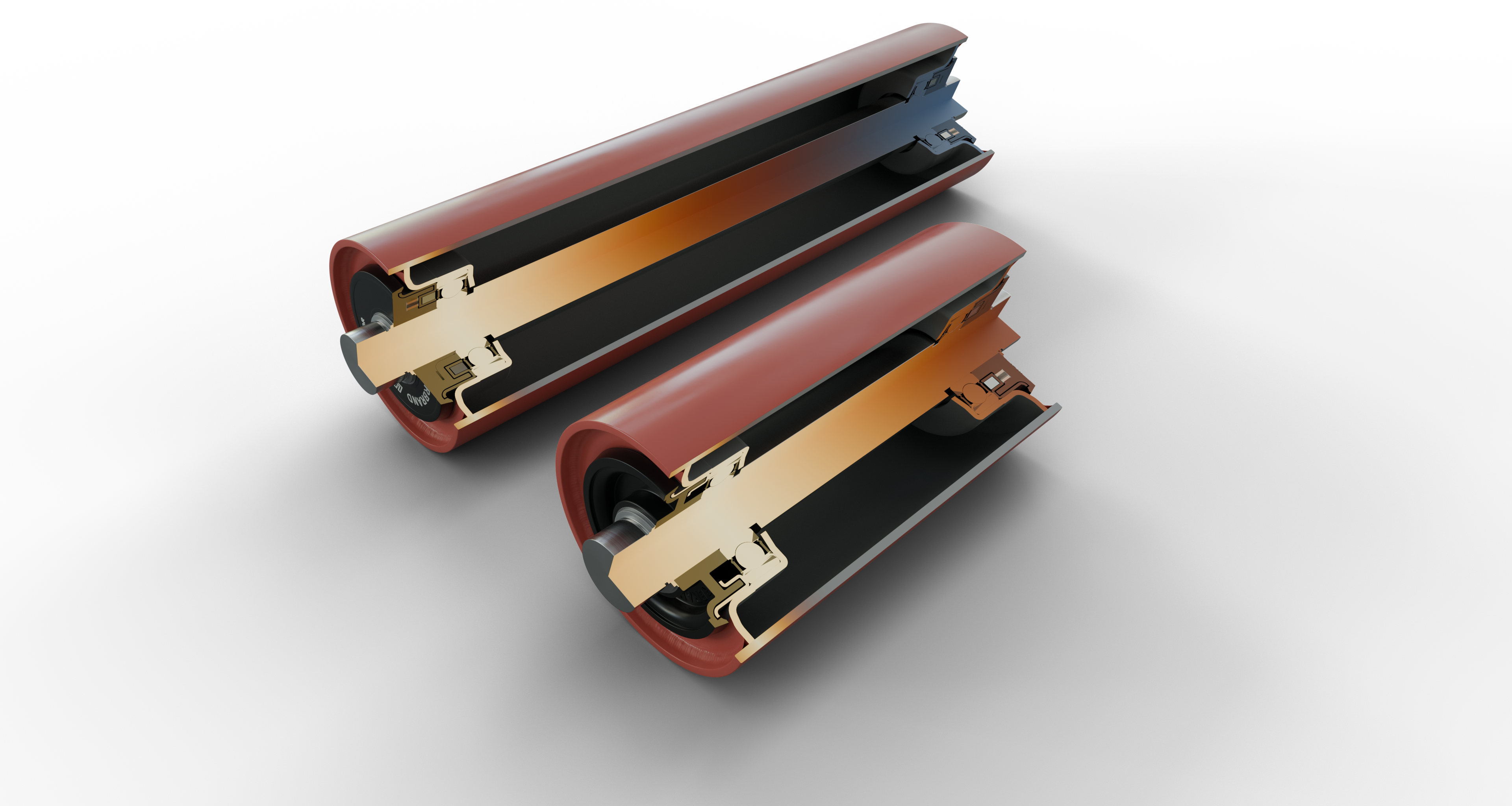
The Sensor Seal sits at the right-hand end of the roller, and the left-hand end carries a standard seal. Parts that turn with the roller are drawn in blue.

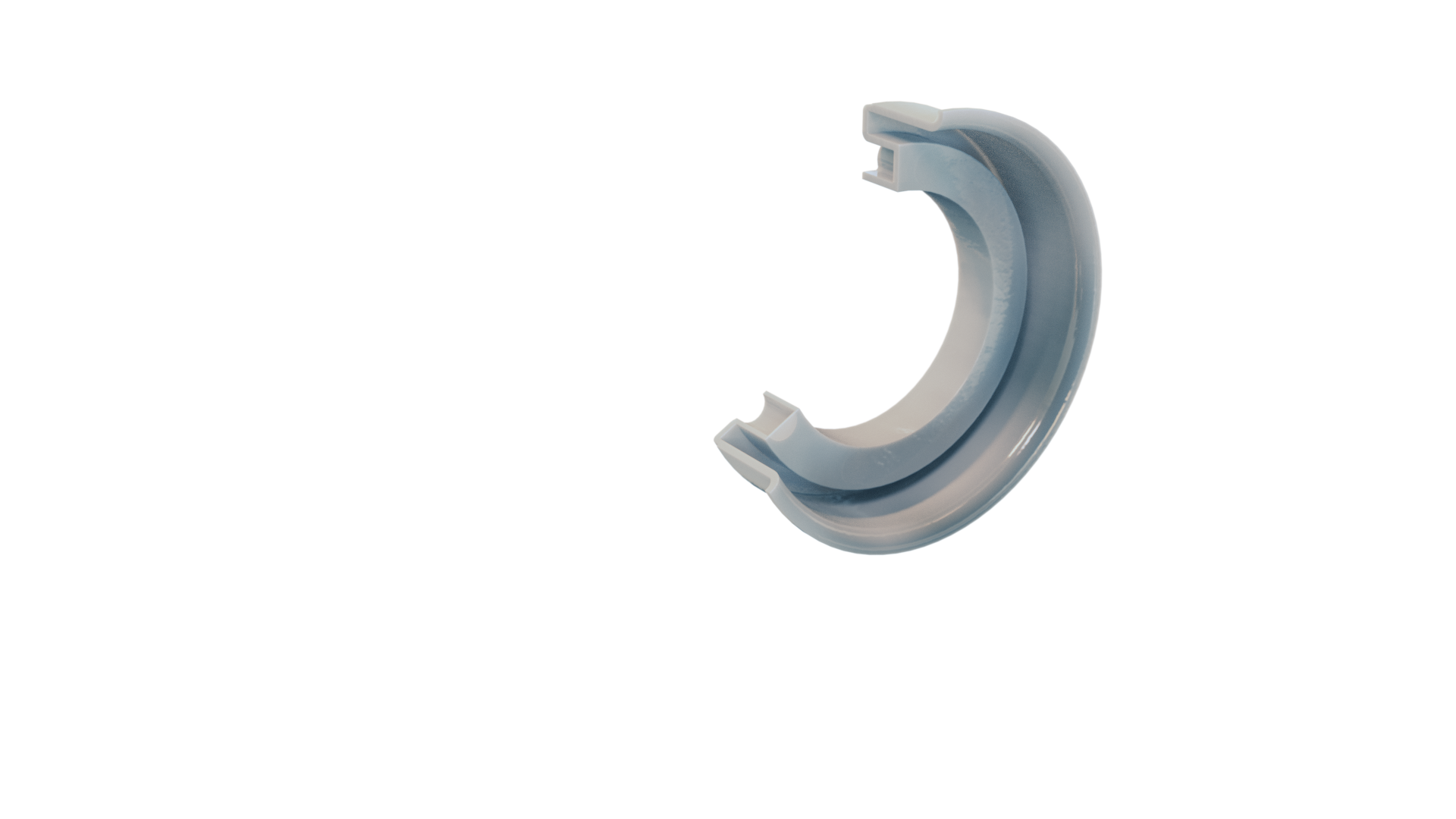
Turns with the roller and doubles as the rotating flinger of the labyrinth seal.

Wound in-house. It takes 20 mW from the roller's rotation, enough to power the sensor module's measurements and radio.

Electronics and radio, sealed to IP67, stationary on the shaft.

Pressed against the bearing's inner ring through a thermal pad.

Temperature, vibration and speed are read right beside it.

The conventional end: a metal flinger in place of the magnet rotor, and no electronics.

RotatingStationarySensor Seal parts
Fitment

Specified with the roller

Sensor Seals are fitted in our factory to new Lorbrand rollers, in seven seal sizes for bearing bores from 25 to 60 mm. We develop the roller and the Sensor Seal together and optimise them as one.

One Sensor SealBearing heat and vibration travel along the shaft, so one Sensor Seal monitors both bearings of a short roller.
Two Sensor SealsLonger rollers take one at each end. Two independent Sensor Seals also tell a failed sensor from a stalled or slipping roller, so a short roller can take a second for redundancy.
RolloutA roller with Sensor Seals installs like any other, and an NFC tap records its position, so crews can fit them in place of worn rollers during routine maintenance. Each S1 roller reports straight to the gateway; S2 Sensor Seals relay readings to each other and are best spaced under 20 m apart.
Cutaway of a long roller with two Sensor Seals and a short roller with one, showing bearing heat travelling along the shaft Standard seal
Two models

From selected rollers to whole conveyors

S1 and S2 take the same measurements and report through a Lorbrand gateway to the on-site server or the cloud. They differ in how each reading reaches the gateway.

S1For selected rollers

Each Sensor Seal reports straight to the gateway over long-range radio, for targeted monitoring of critical rollers spread across a site.

RadioSub-GHz LoRa
RangeOver 1 km line of sight
GatewayTypically polls one Sensor Seal per second, with up to 10 per second for targeted areas.
S2For every rollerIn field trials

Sensor Seals pass readings from roller to roller along the conveyor, so one gateway serves a whole conveyor, up to 50,000 Sensor Seals. Further gateways along its length shorten the interval between readings.

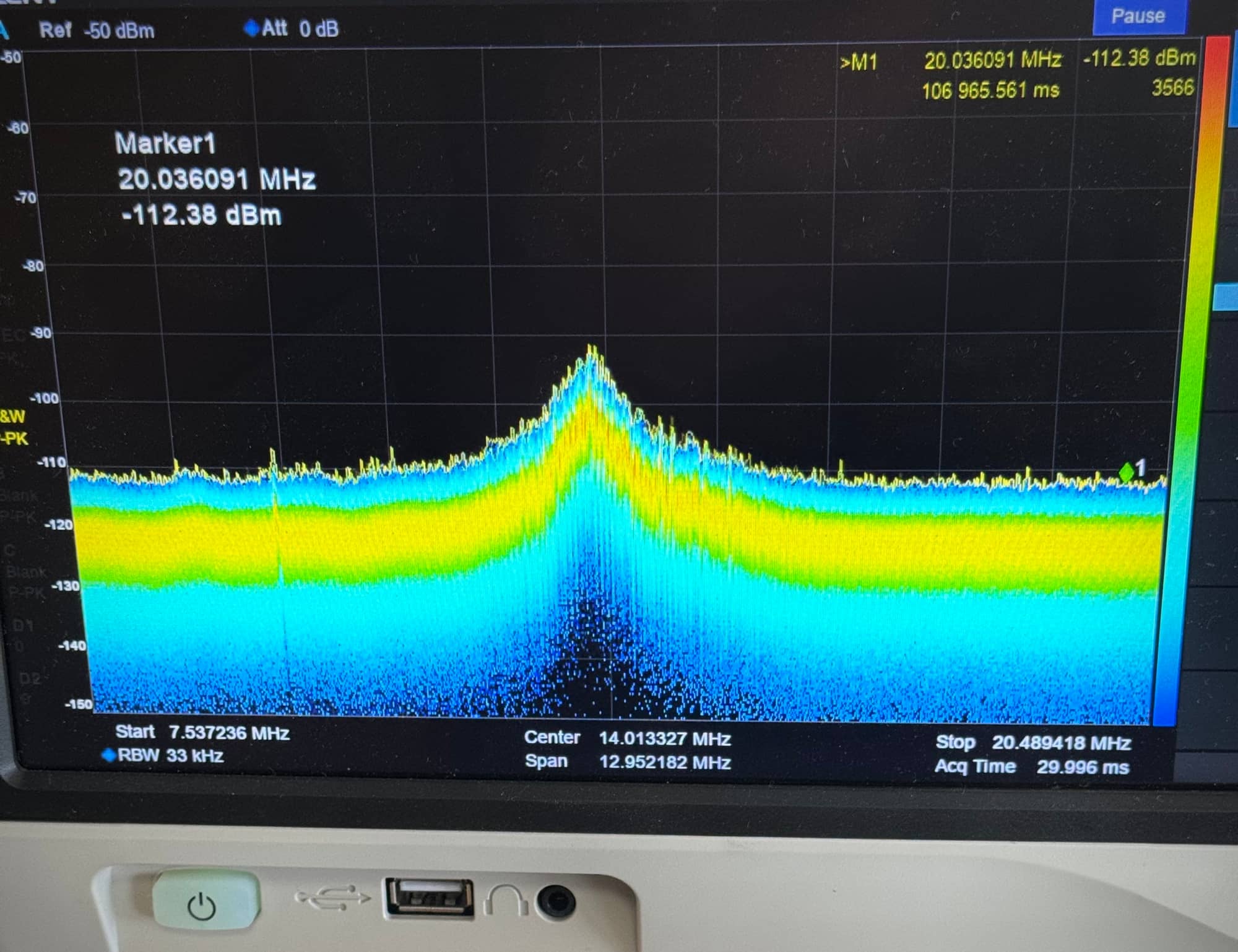
Radio2.4 GHz mesh, designed by Lorbrand
RangeRelayed along the conveyor
Gateway600 to 800 readings per second aggregate†
Reporting interval

Each Sensor Seal reports every 3.6 s

A bearing that starts to overheat shows on the dashboard within seconds, while there is still time to stop the belt before the roller seizes.

Model
S2
Gateways
4
Sensor Seals per roller
1
Software

From an alarm to the exact roller

The dashboard rates the Health of every roller, shows each conveyor in 3D, roller by roller, and keeps the full temperature, vibration and speed history of every Sensor Seal.

Free for the life of the productNo subscription, on site or in the cloud.

On-site server

The full dashboard on your own network, with push notifications and every reading kept on site.

Control-system integration

Standard industrial interfaces carry every reading into your SCADA, PLC or historian.

Sensor Seal Cloud

Adds built-in machine-learning Health analysis as well as email and SMS alerts. The data stays yours, with full export.

NFC at the roller

A supported phone or handheld identifies the roller after its labels have worn off, and reads its last measurement with the belt stopped.

Open by design

Any roller maker will be able to join your network

We are committed to opening the Sensor Seal network to other roller manufacturers. The programme is in development. Once it launches, certified rollers from any maker will report to the same gateways and dashboard.

In development
  • Free for roller manufacturers to join
  • Your operation holds the network keys and decides which rollers join
  • Published certification criteria, applied to our own rollers too
  • Get data out through documented and open interfaces
  • Installed rollers keep working as the protocol develops
Production

Designed and made in South Africa

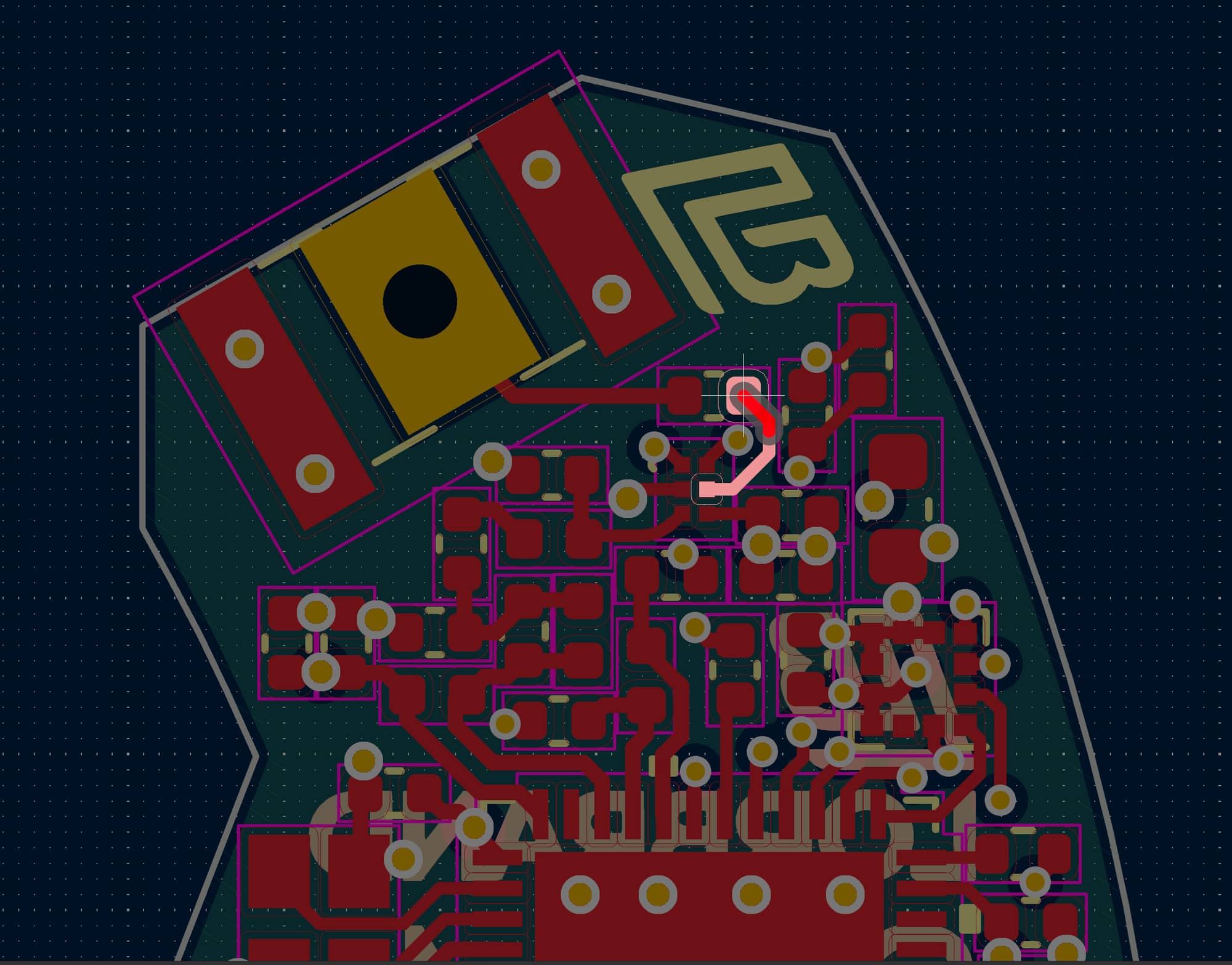
Every Sensor Seal is designed by the Lorbrand team in South Africa, from the generator and the electronics to the firmware and the software that runs the network.

We wind the generator coils, solder the circuit boards, and assemble each Sensor Seal in our Centurion factory. Every roller fitted with Sensor Seals then goes through a running friction and operational test before it leaves.

Reference

Specifications and seal sizes

MeasurementsBearing temperature, vibration and speed
Temperature0.1 °C resolution; ±0.4 °C at 25 °C, ±0.8 °C at 0 °C and 50 °C (worst case)
VibrationOverall RMS (g) and kurtosis
Speed±0.05 %, from 300 to 1,500 rpm*
Power20 mW, generated from the roller's rotation; no battery
ProtectionIP67 sensor module; up to 80 °C
RadioSub-GHz LoRa star, over 1 km line of sight
GatewayPolls one Sensor Seal per second, up to 10 per second for targeted areas; PoE (12–57 V) or DC (12–48 V); Ethernet
Health0 to 100 % per Sensor Seal; a roller with two shows the lower
CommissioningNFC (supported phone or handheld), barcode or manual
SecurityEncrypted from seal to server; over-the-air firmware updates
SoftwareOn-site server or Sensor Seal Cloud, free for the life of the product
StatusIn service

MeasurementsBearing temperature, vibration and speed
Temperature0.1 °C resolution; ±0.4 °C at 25 °C, ±0.8 °C at 0 °C and 50 °C (worst case)
VibrationOverall RMS (g) and kurtosis; optional on-device ML models
Speed±0.05 %, from 300 to 1,500 rpm*
Power20 mW, generated from the roller's rotation; no battery
ProtectionIP67 sensor module; ambient up to 80 °C
Radio2.4 GHz mesh designed by Lorbrand, relayed along the conveyor
Gateway600 to 800 readings per second†; next-generation gateway
Health0 to 100 % per Sensor Seal; a roller with two shows the lower
CommissioningNFC (supported phone or handheld), barcode or manual
SecurityEncrypted from seal to server; over-the-air firmware updates
SoftwareOn-site server or Sensor Seal Cloud, free for the life of the product
StatusIn field trials
SeriesDeep grooveSphericalOD (mm)ID (mm)
256305213056225
306306213067230
356307213078035
406308213089040
4563092130910045
5063102131011050
6063122131213060
  1. Typical range. The lower limit depends on the model, the magnet configuration and the reporting interval.
  2. Simulated: network simulation running production firmware. S2 is in field trials.
  3. Australasian Mine Safety Journal, Conveyor roller fire prevention.
  4. NSW Coal Mines Inspectorate, Fires associated with underground conveyors (Notice A36, 1989), in MDG 30 Mechanical Compendium.
  5. International Power Hazelwood, October 2006 Mine Fire Investigation, January 2007, and The Morwell open-cut mine fire, 12–19 October 2006, report to the Country Fire Authority; both from the Hazelwood Mine Fire Inquiry.
  6. MSHA safety alert on belt conveyors, reported by North American Mining, December 2020.
ENGINEERED FOR THE APPLICATION

Specify Sensor Seal on your next rollers

Our engineers plan seal placement, gateways and integration with your team, from a pilot section to a full conveyor.