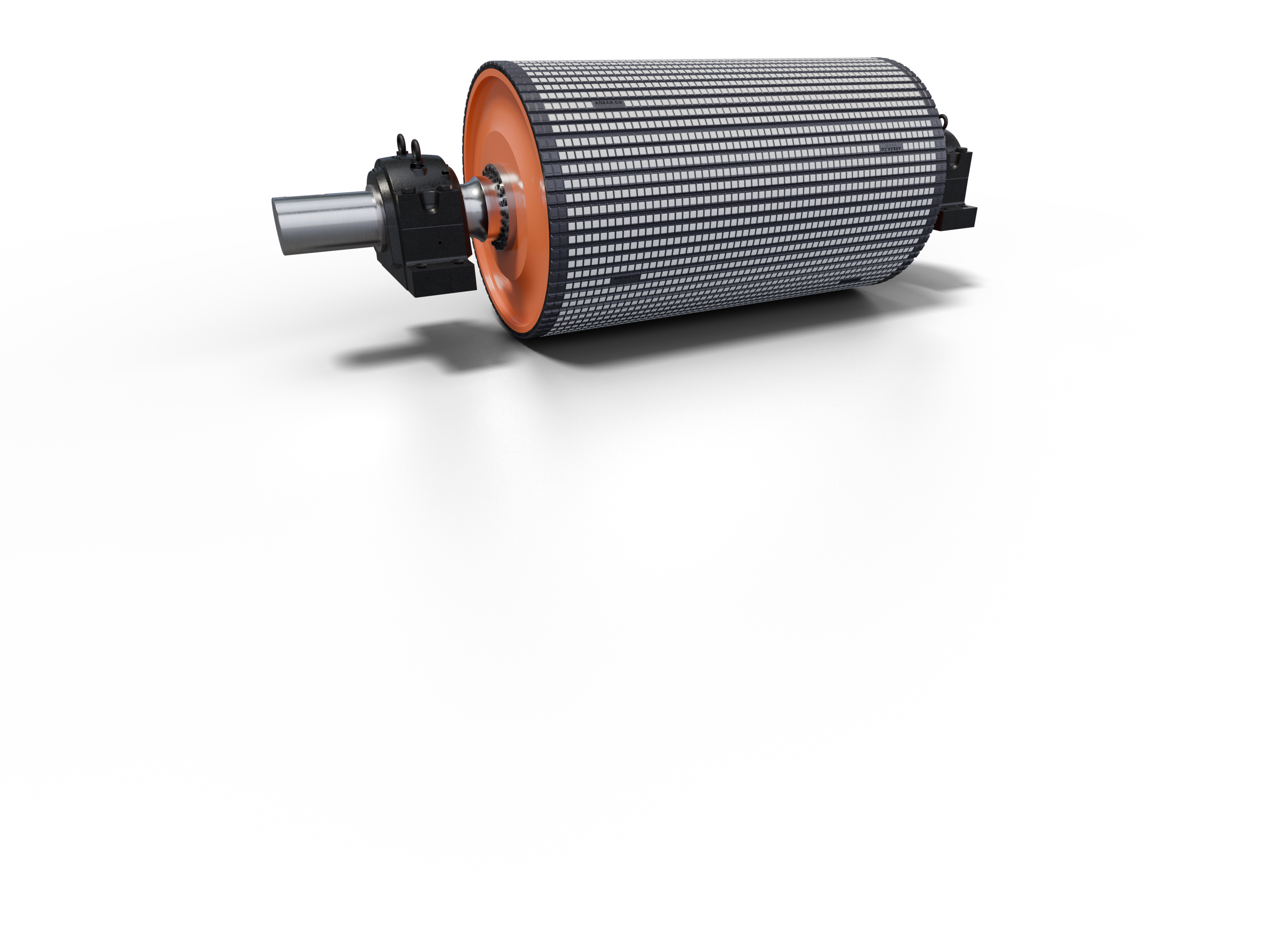
Conventional
Drive, tail, bend, snub and take-up pulleys for every position on the conveyor.
Pulleys that drive and tension the belt, from standard plant conveyors to the largest overland installations.
Every Lorbrand pulley is designed around the conveyor it will run on: the torque, the belt tensions, the fatigue loading and the environment.
Lorbrand rolls the shell, machines the shaft and end discs and assembles the bearings in-house, and verifies each pulley before dispatch.
More than two decades of those orders have put Lorbrand pulleys on some of the hardest-working conveyors in the world.
Drive, tail, bend, snub and take-up pulleys for every position on the conveyor.
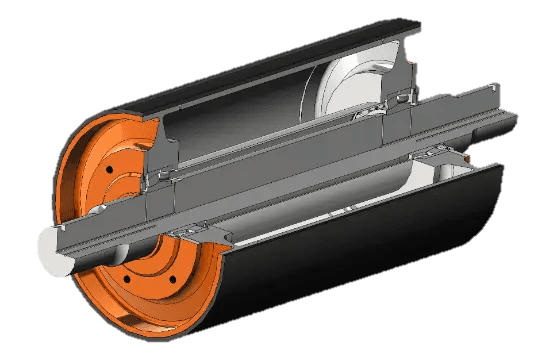
Bearings housed inside the end discs for compact installations and lighter support structures.
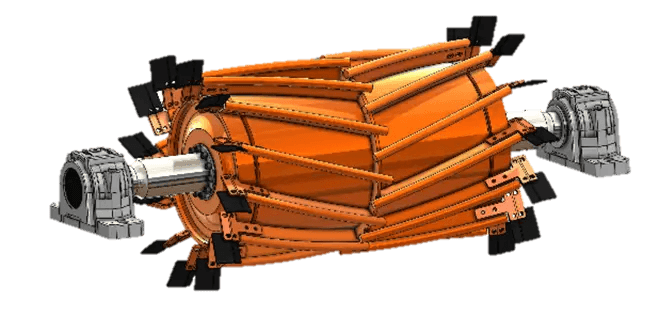
Self-cleaning wing construction for enclosed grain and free-flowing product conveyors.
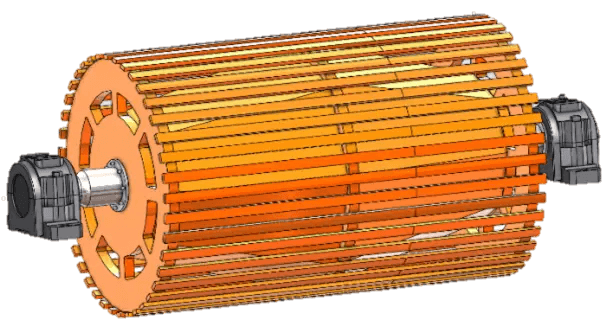
Open shells that shed water, fines and build-up in wet and sticky applications.
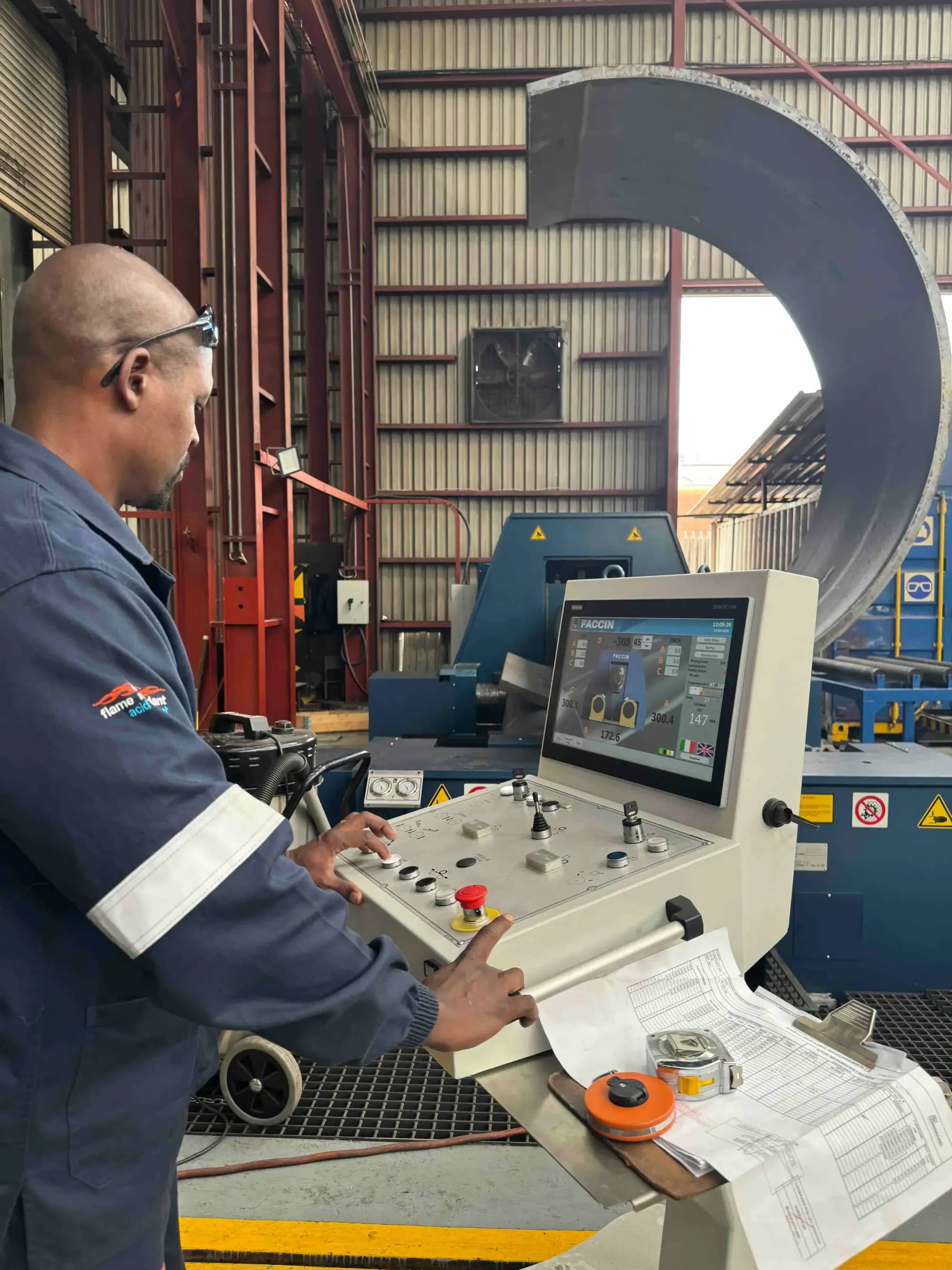
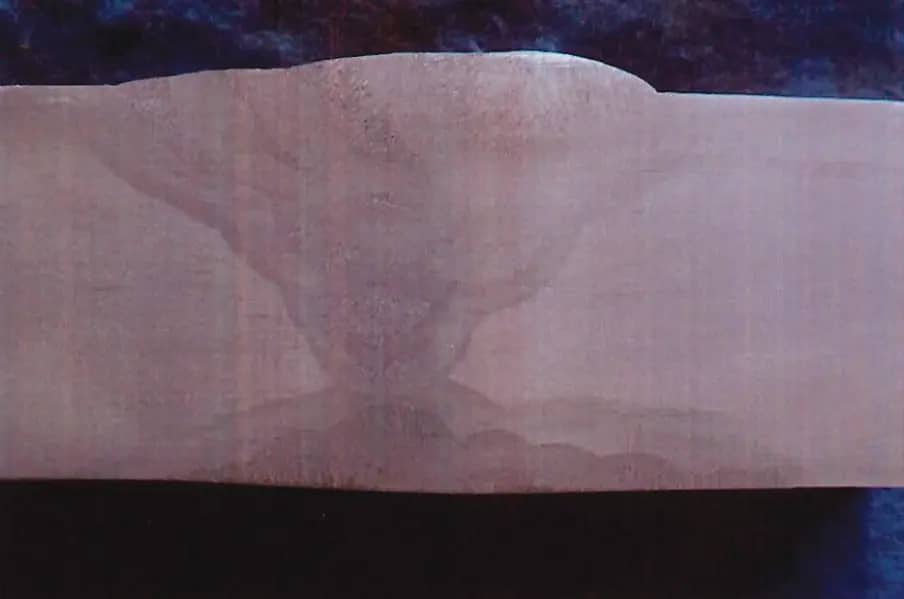
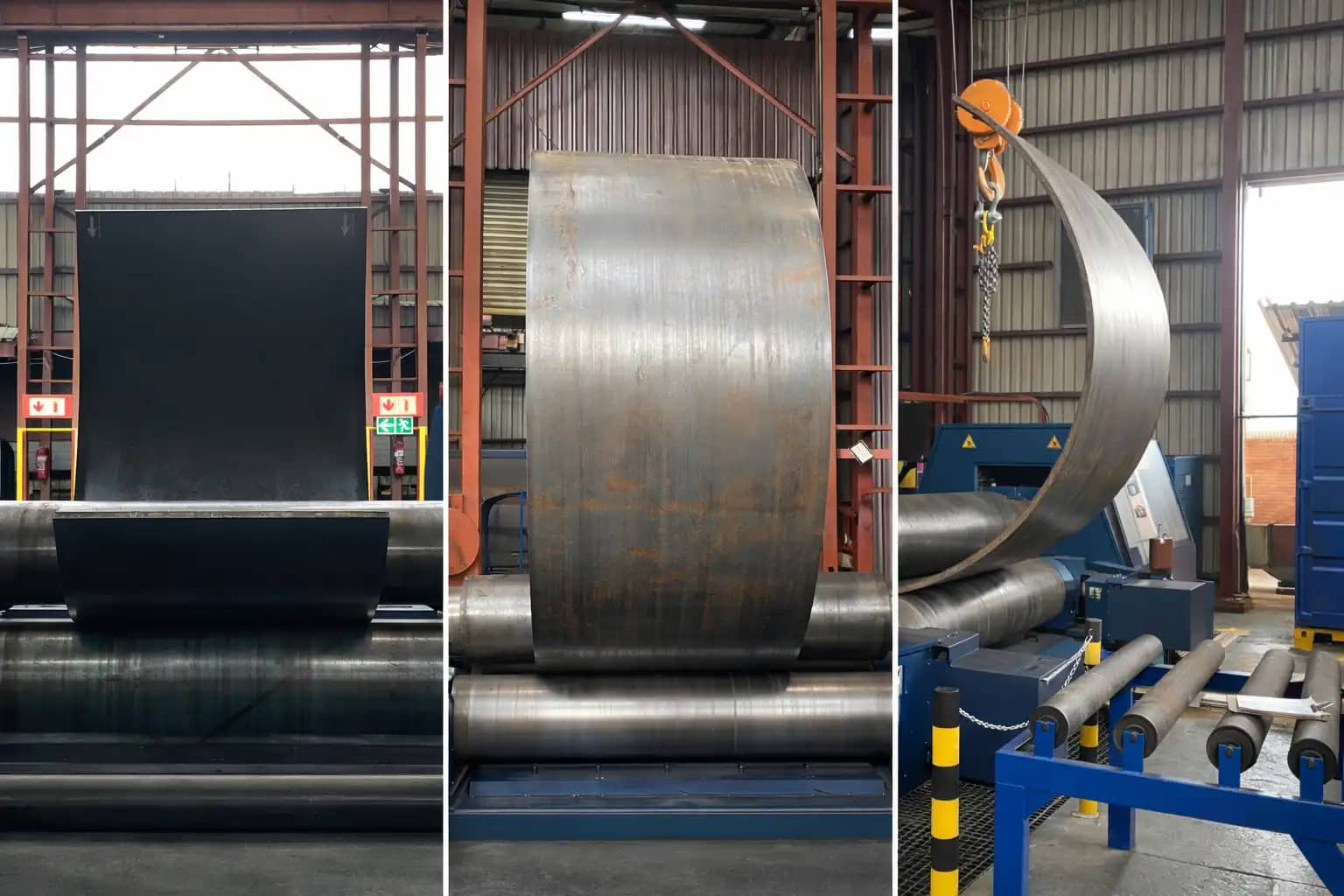
Shells are rolled in-house from plate up to 80 mm thick, then circumferentially welded with full penetration. Rolling our own shells keeps the roundness, the weld preparation and the schedule under our control.
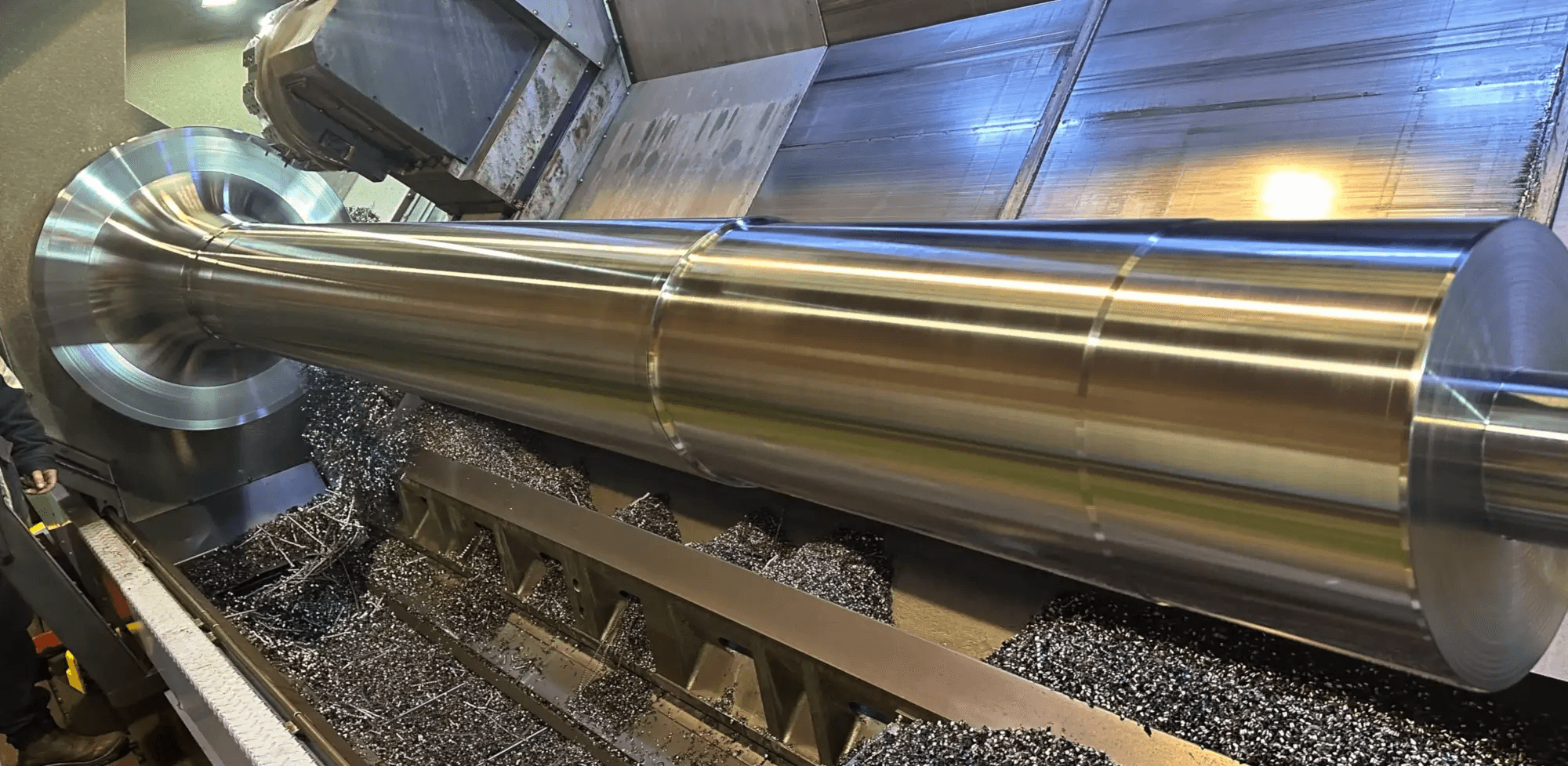
Shafts are machined in-house with the bearing seats, hub fits and keyways each assembly needs, from bar or from custom step forgings.
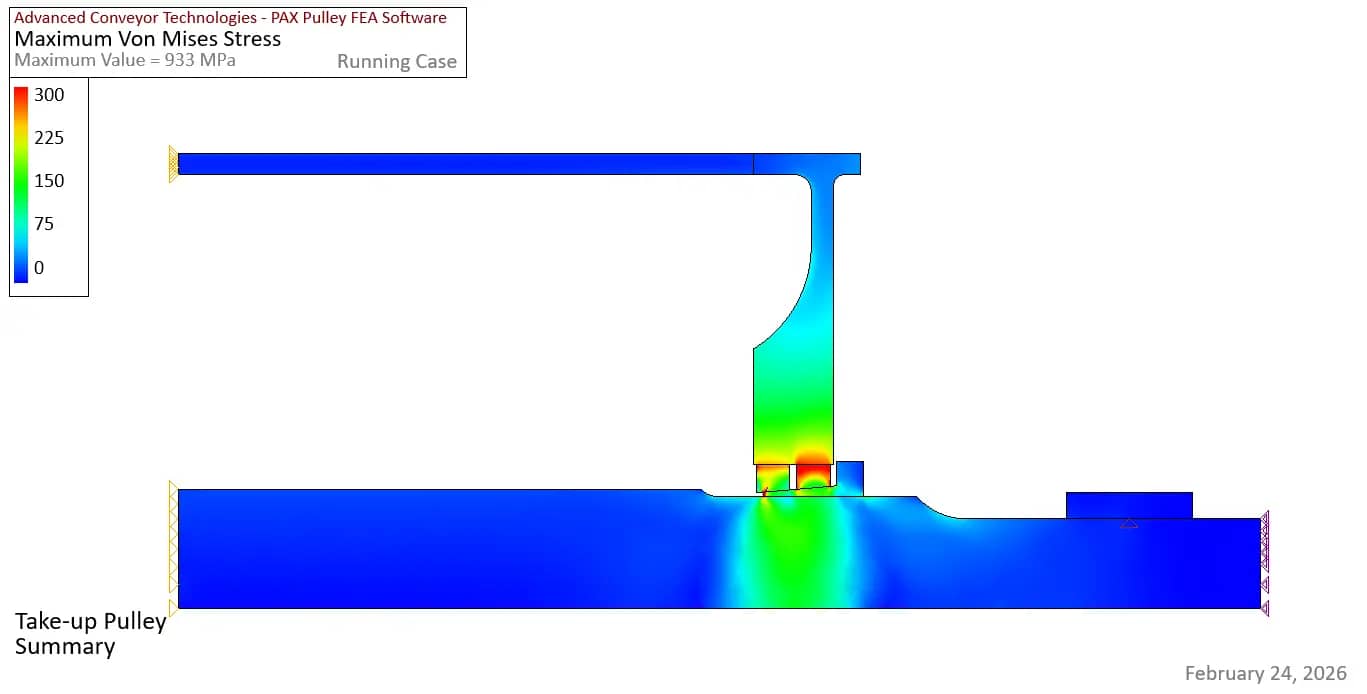
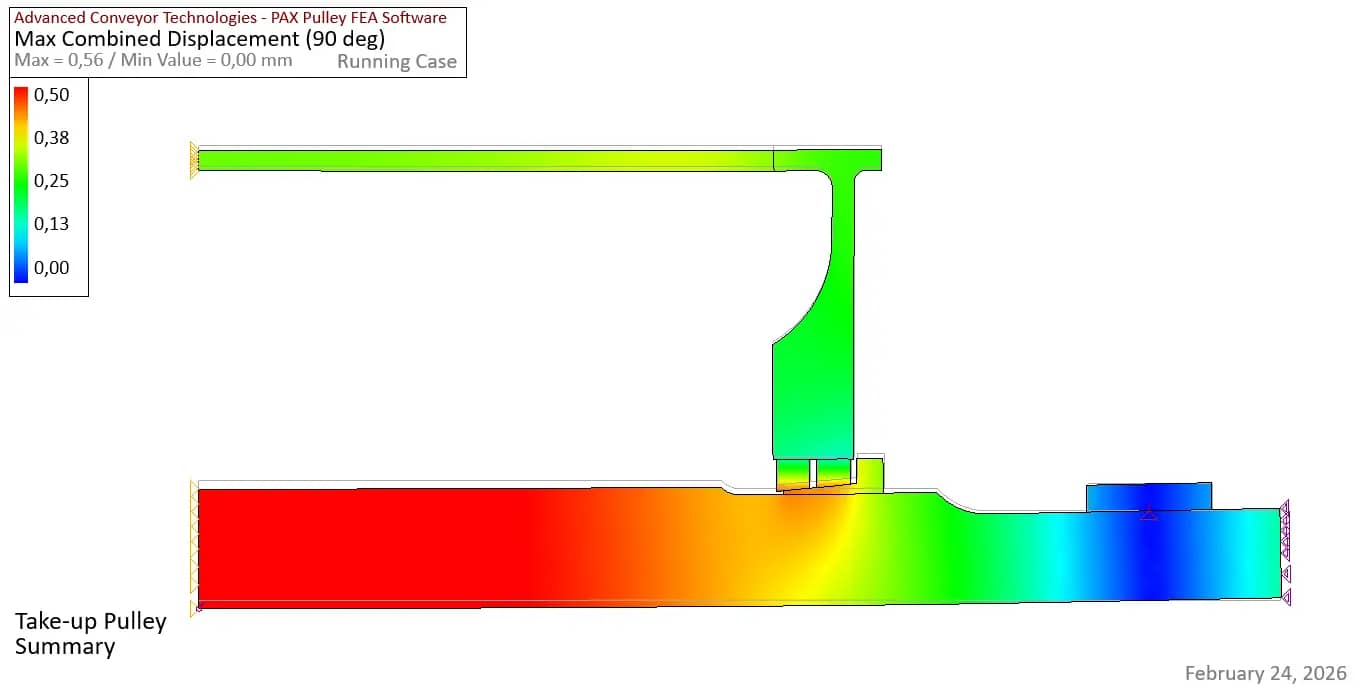
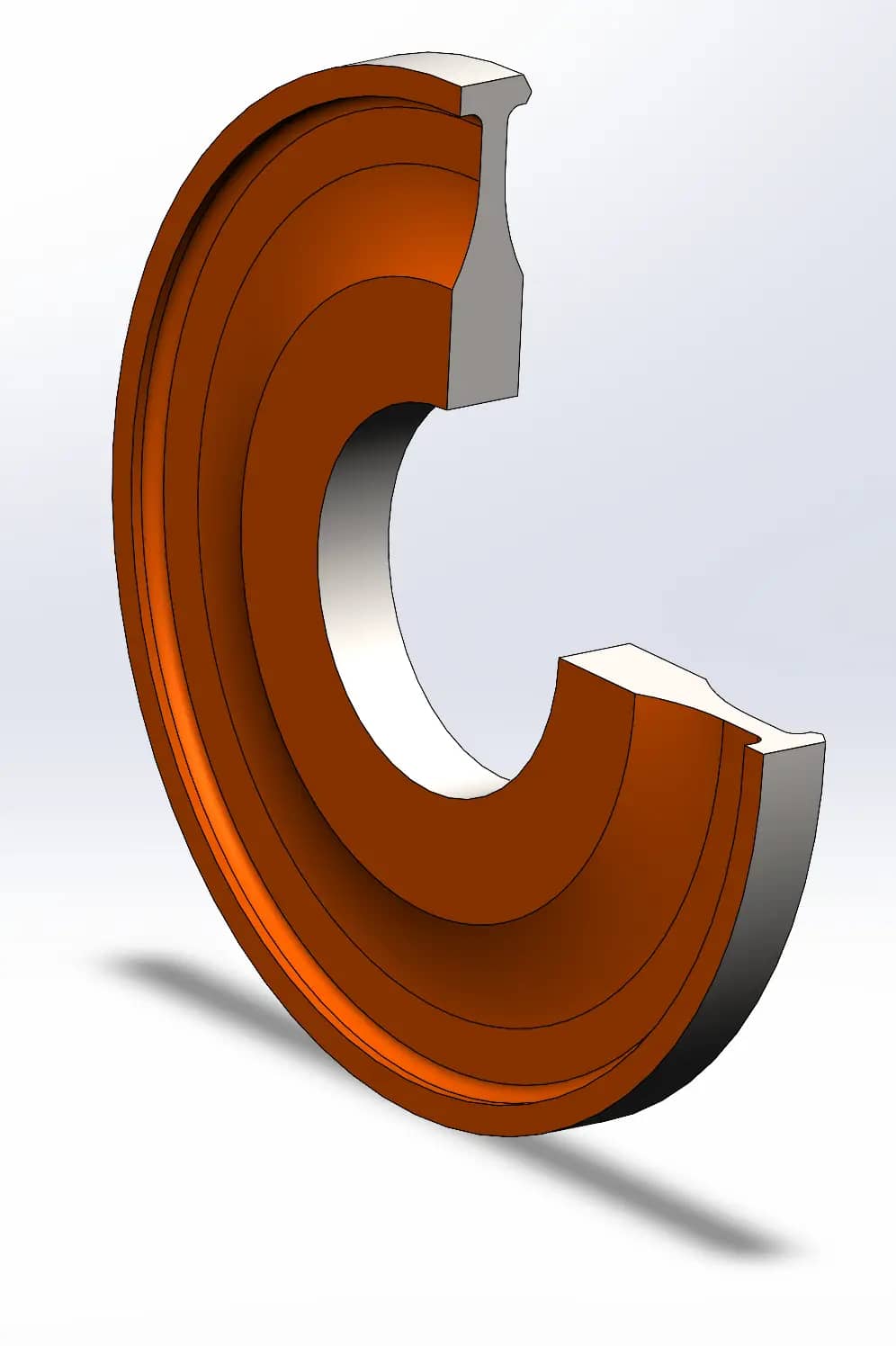
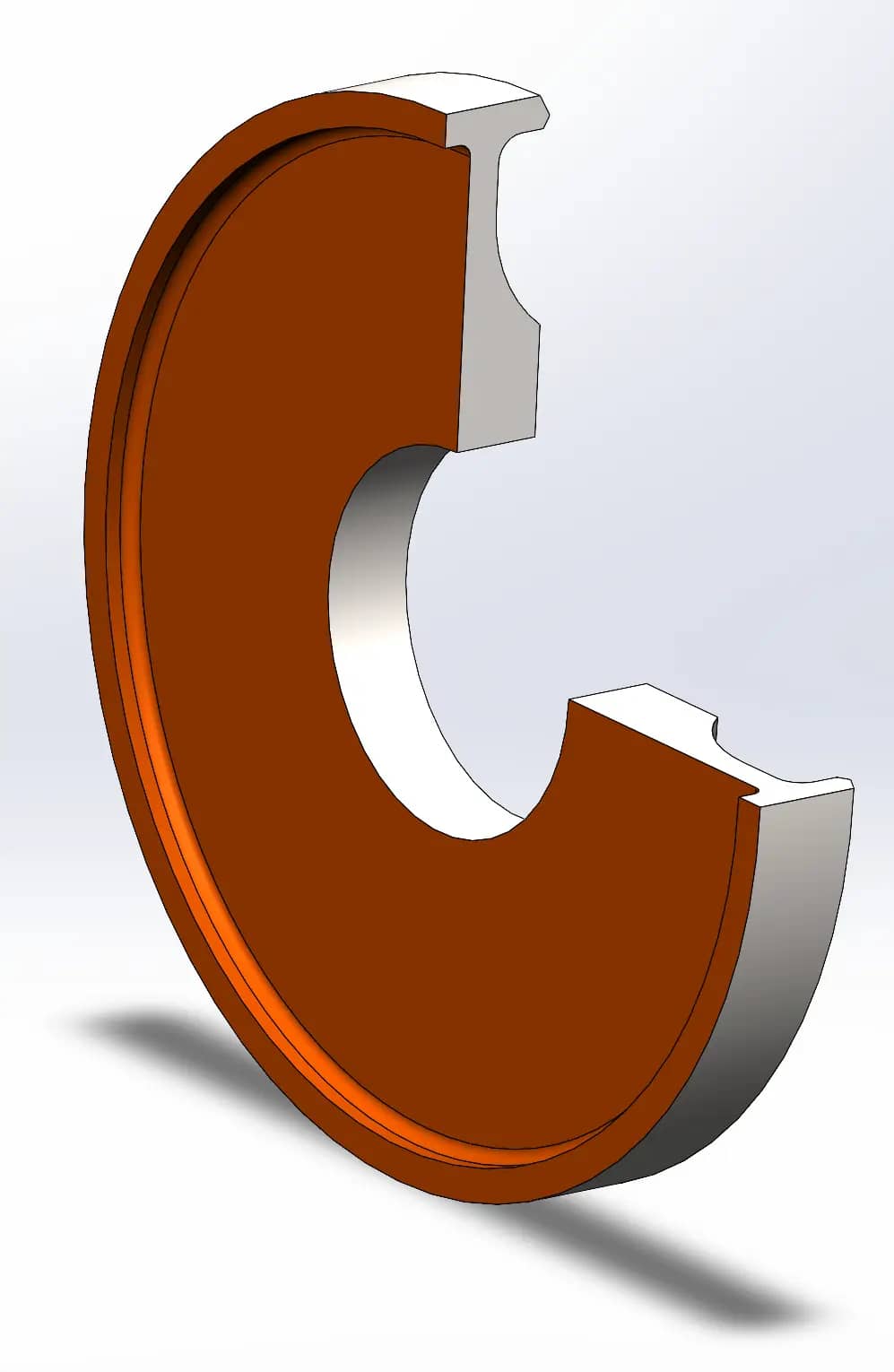
Pulley end discs are profiled to withstand the high locking element pressures and to accommodate bending moments so that the locking elements and welds are not overloaded.
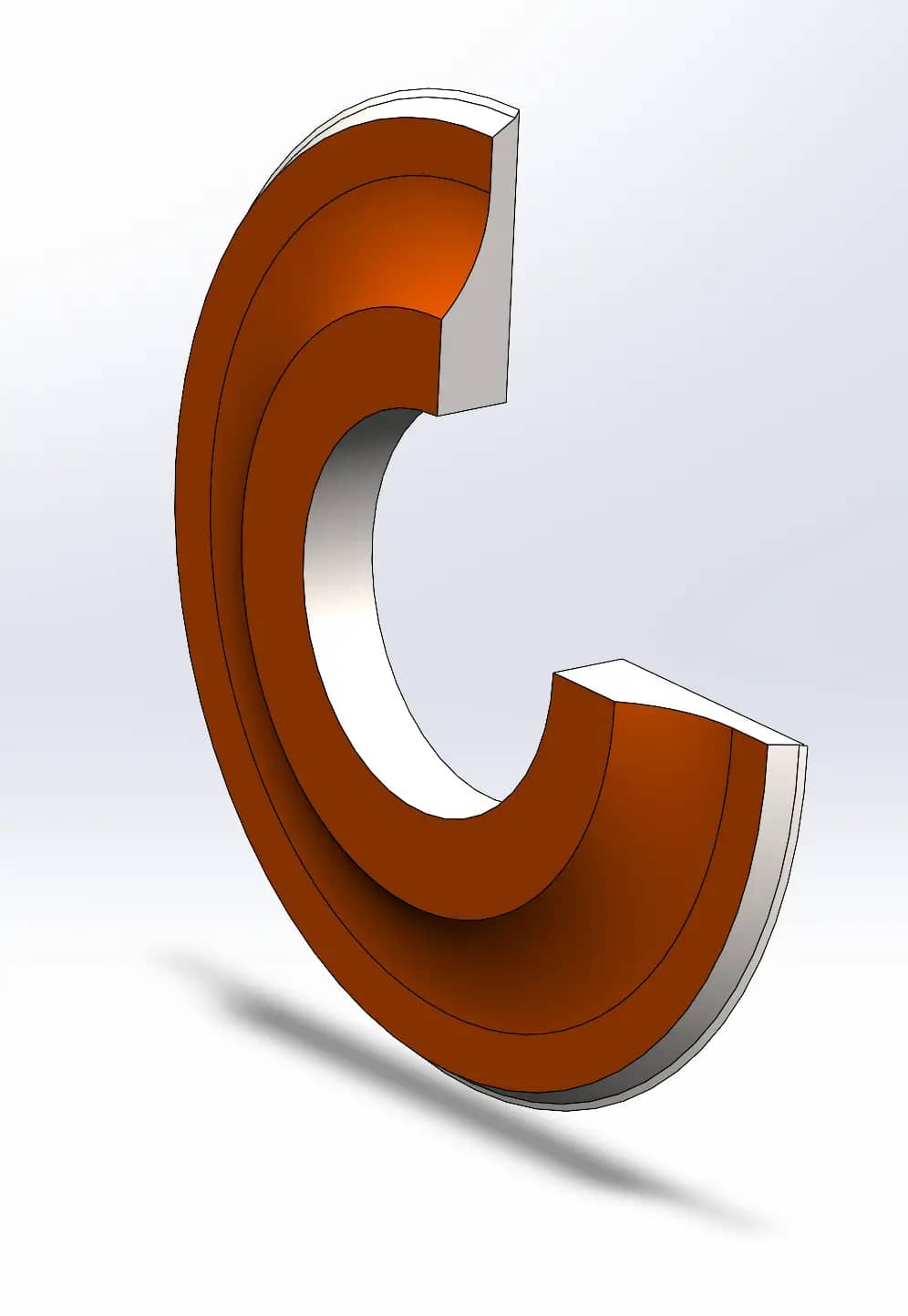
For medium-duty pulleys. More cost-effective to produce and suited to lighter loads.
For heavy-duty pulleys where the welds need to sit in a lower-stress area.
For heavy-duty pulleys where high-bending-moment locking elements apply asymmetric radial loads to the end disc bore. The flat profile sits adjacent to the high-pressure side of the locking element, so from the outside it looks like an unprofiled end disc.
Spherical roller bearings from SKF, FAG, HFB and Timken, sized to the shaft and the load.
SNL, SAF, THDD and STL series plummer blocks, and custom housings machined for the bearing and the sealing arrangement.
Ringfeder and Bikon assemblies up to Ø700 mm, sized to the torque they transmit.
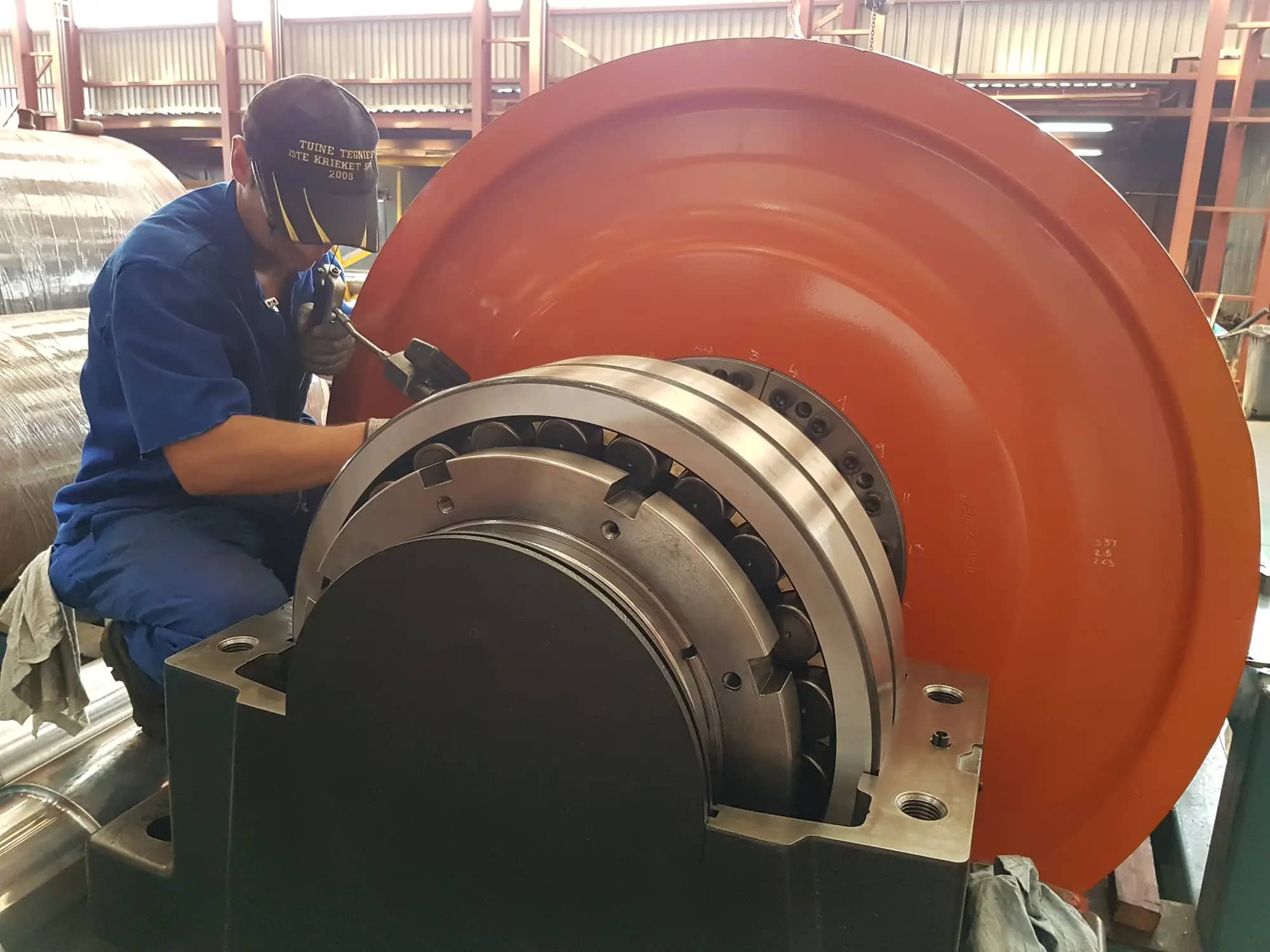
Custom take-up housings machined from a single S355 billet for sliding frames and gravity towers.
Taconite grease-purged sealing for the most contaminated environments.
TS labyrinth sealing where speeds and service intervals need a non-contact arrangement.
Rubber and ceramic lagging, applied cold-bonded or hot-vulcanised to suit the pulley and the site. Ceramic tiles are available rubber-backed or bonded directly to the shell, with direct bond reserved for the most abrasive positions. Compounds include natural rubber, SBR and polyurethane, with FRAS grades available.
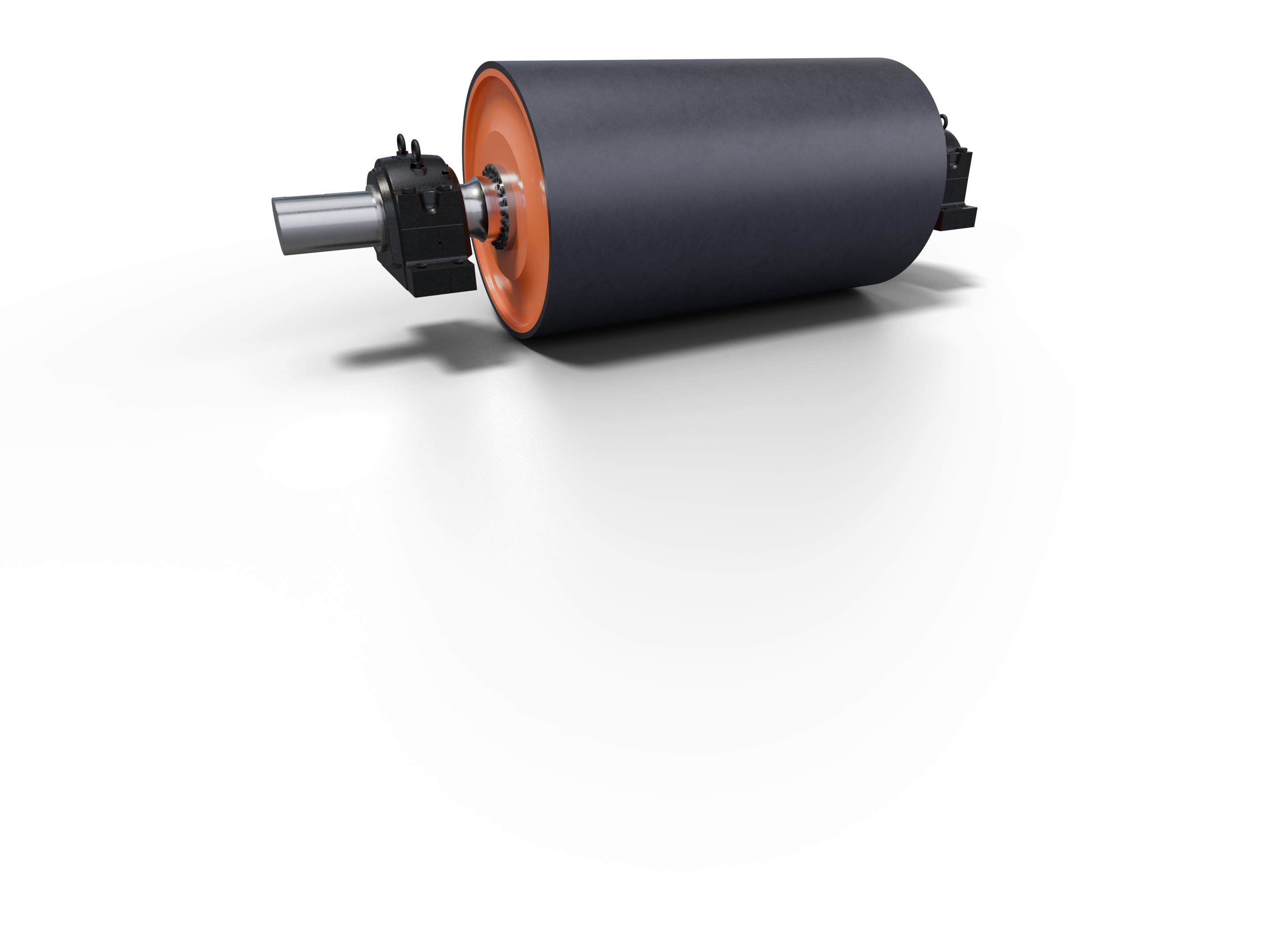
A uniform rubber layer used mainly on non-drive pulleys, providing reliable traction in clean and dry environments.
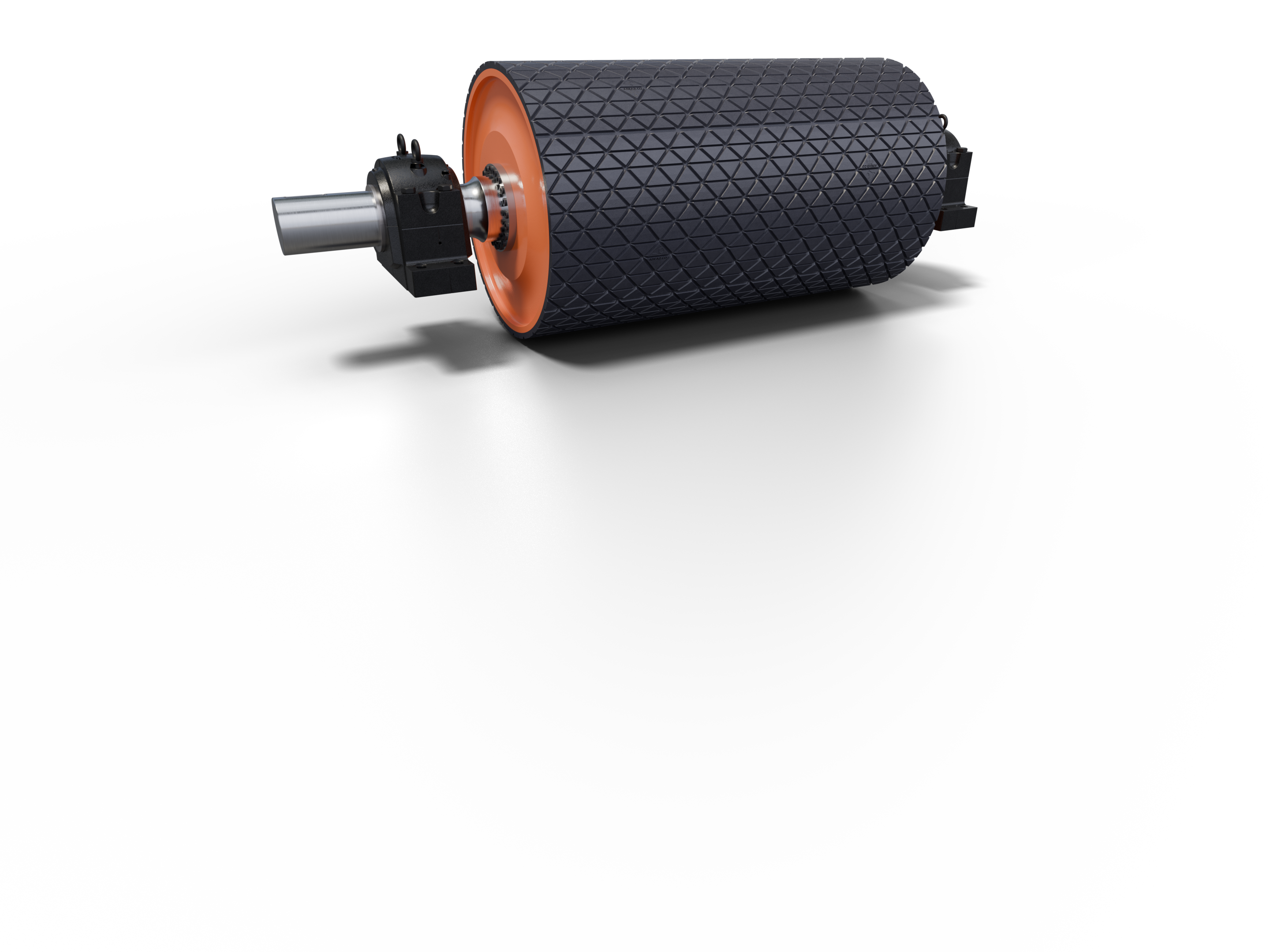
Triangular grooves that clear water and fines from the belt contact while keeping a continuous grip band.
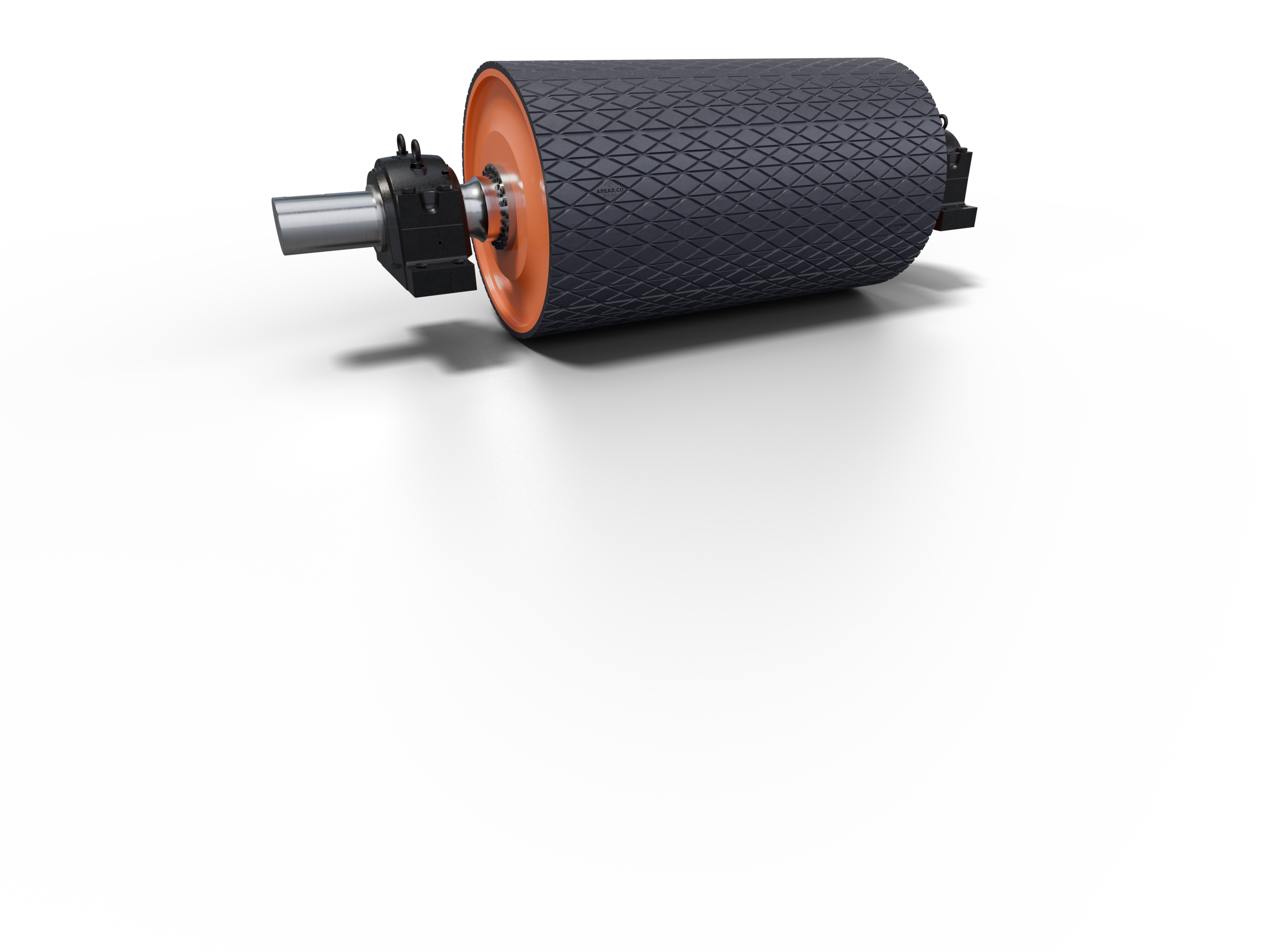
The general-purpose drive pattern. Diamond grooves shed water and hold traction in wet conditions.
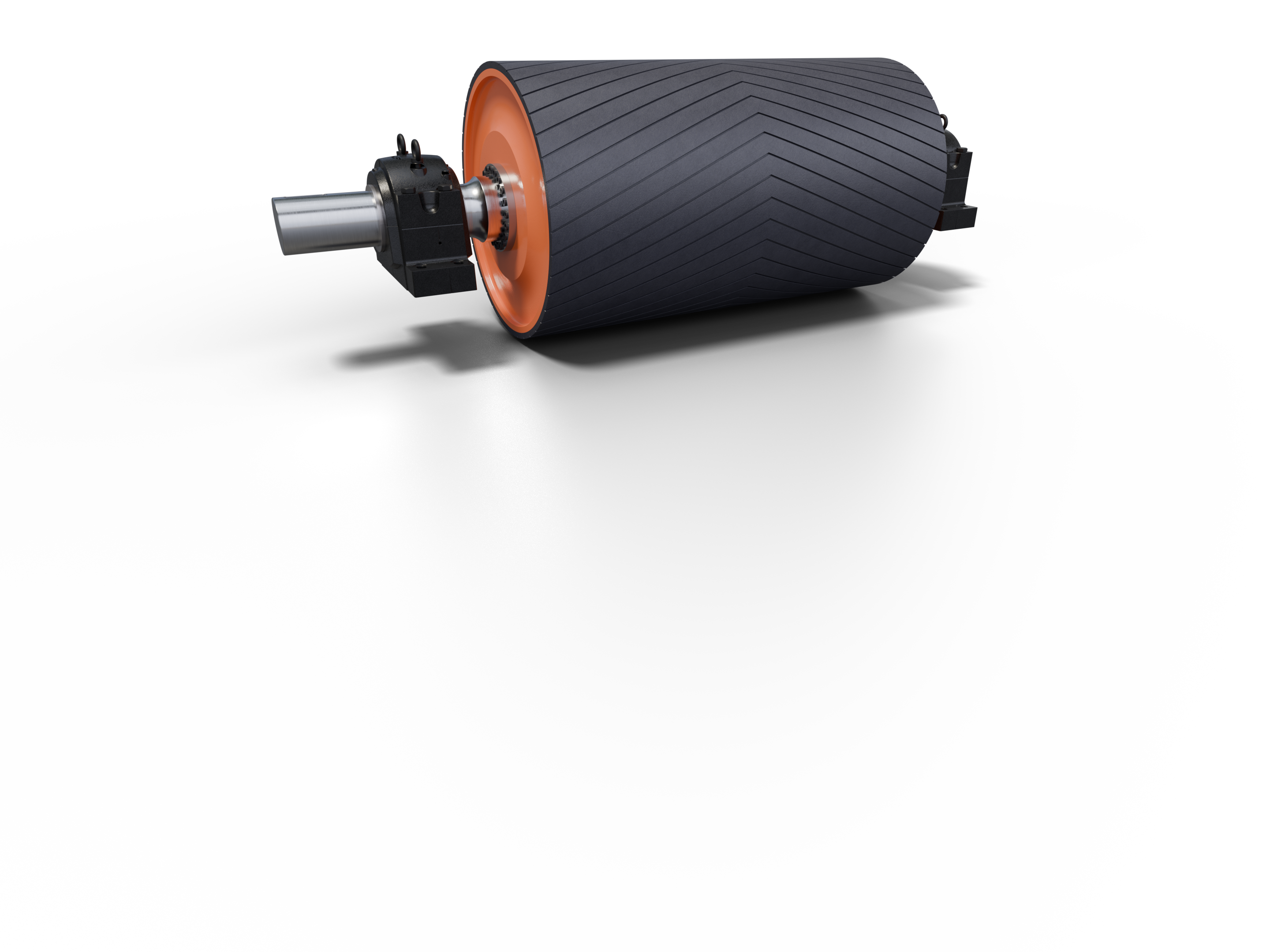
Chevron grooves that channel water outward from the belt centre for high-traction drive positions.
Square ceramic tiles in a rubber matrix, bonded to the shell for high-wear drive applications.
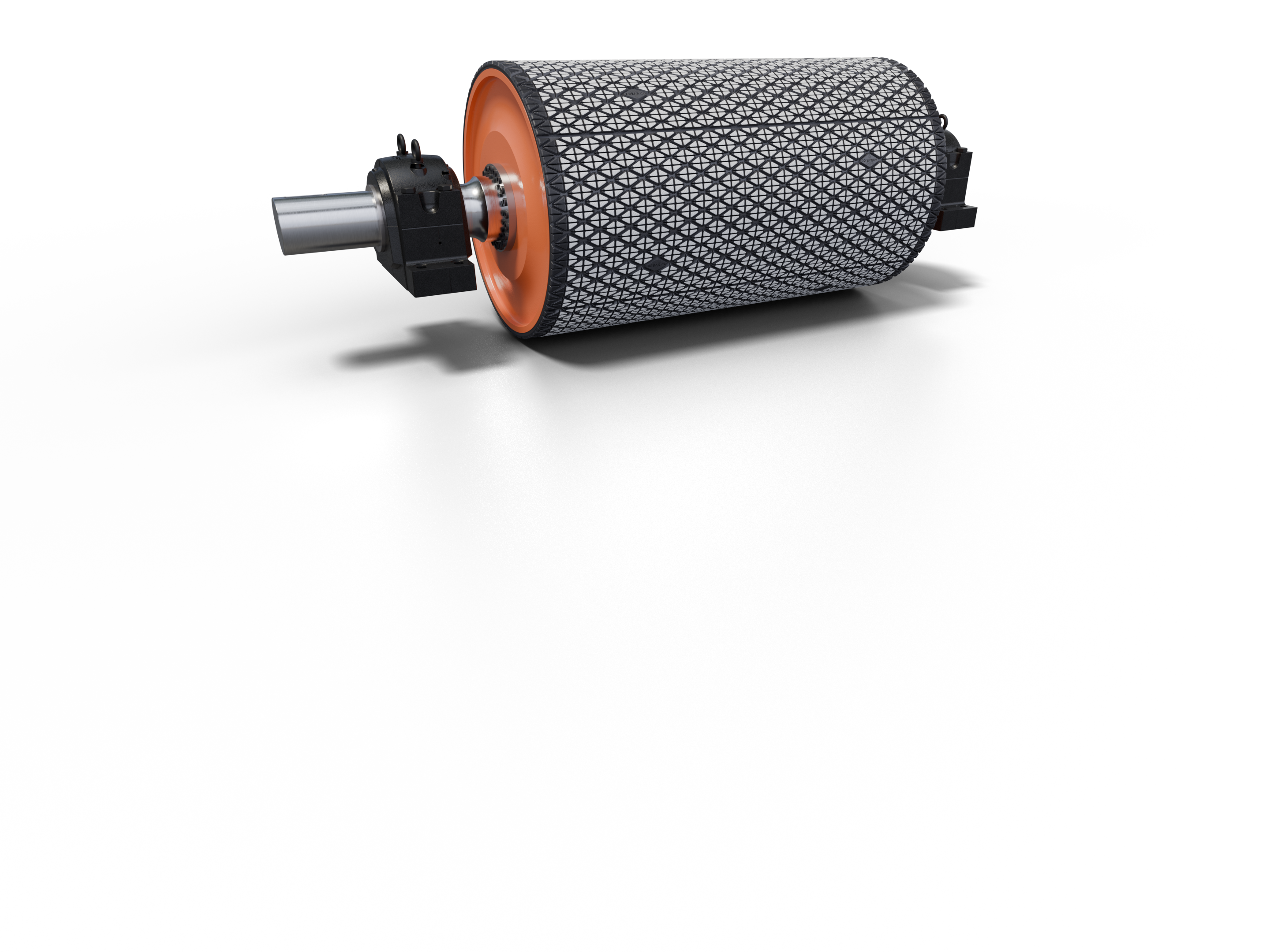
Split-diamond ceramic tiles, combining the drainage of a grooved pattern with ceramic wear life.
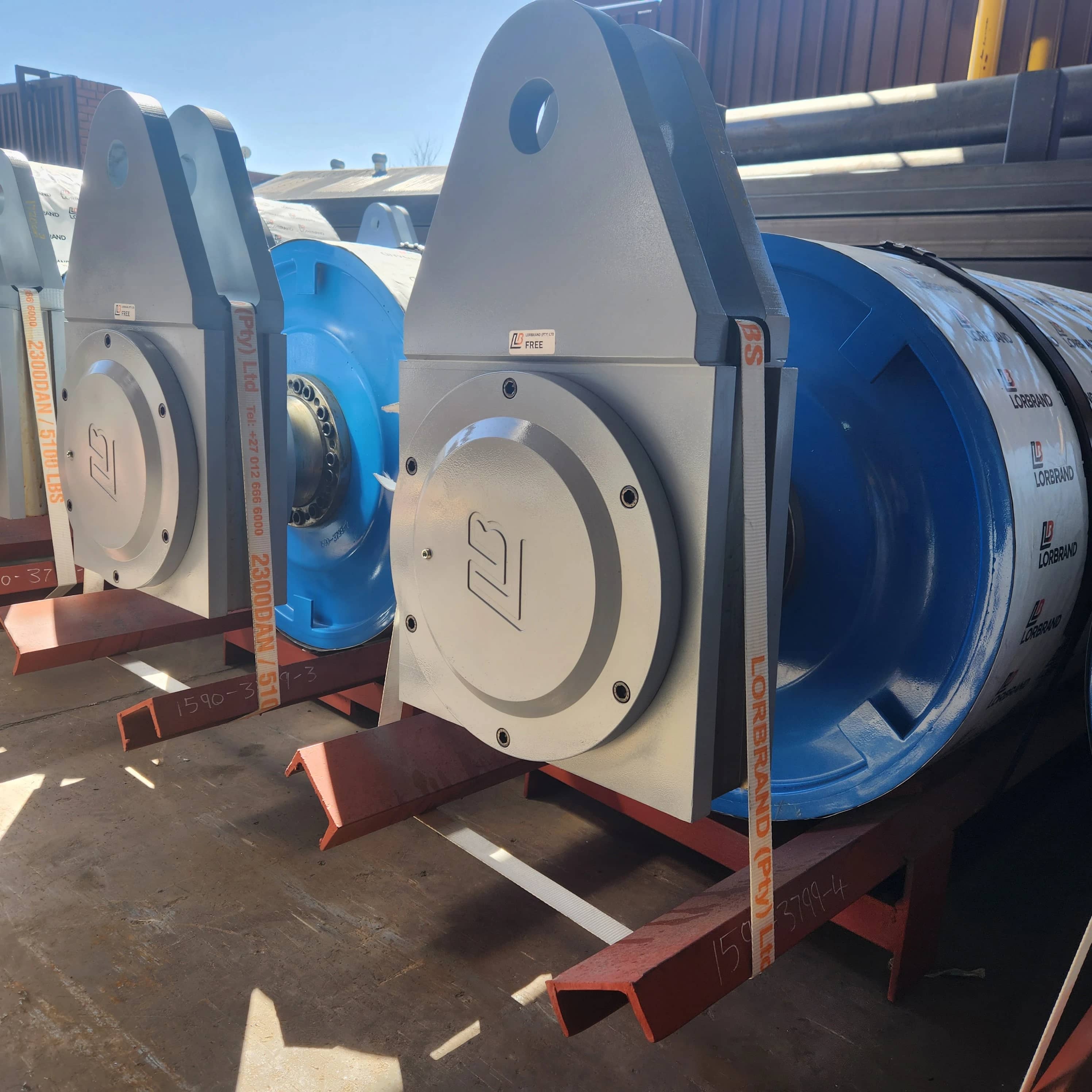
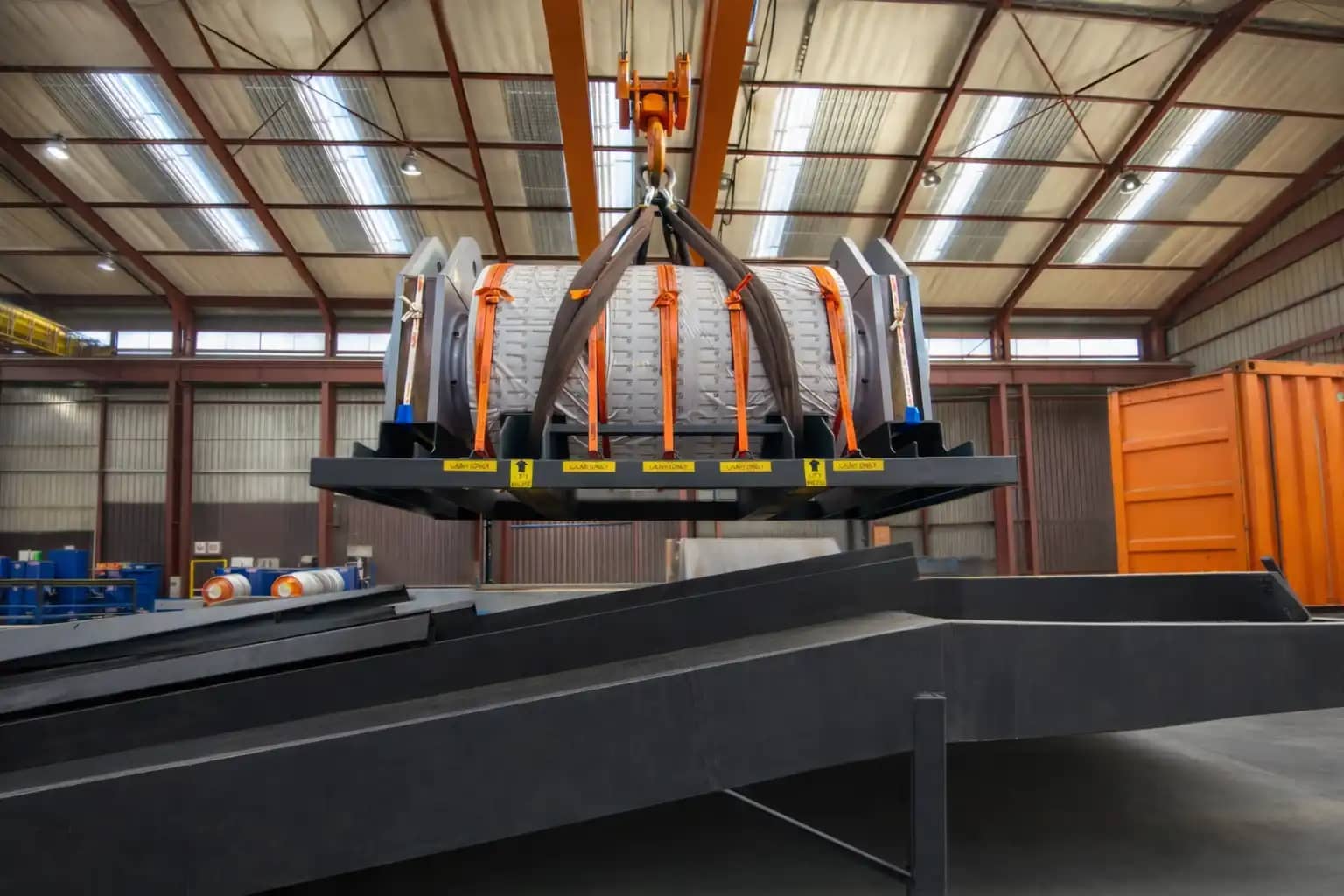
Seaworthy packaging protects exposed surfaces in transit, and load securing is CTU Code compliant: engineered restraint, lashing and blocking for container and flat-rack loading.
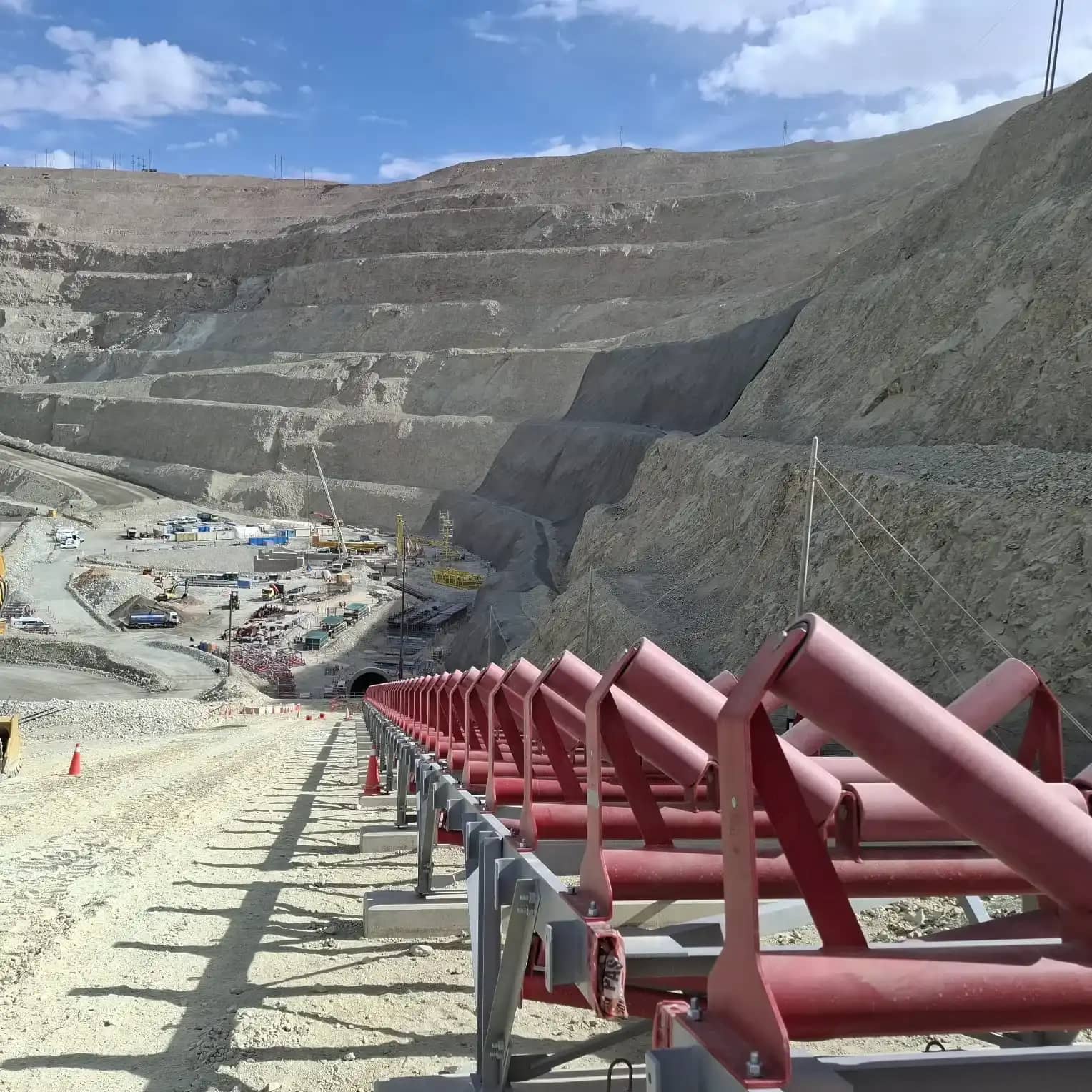
Heavy-duty Lorbrand idlers and pulleys for the In-Pit Crushing and Conveying expansion at one of the world's largest copper-molybdenum operations, thirty years after the first supply here.
2025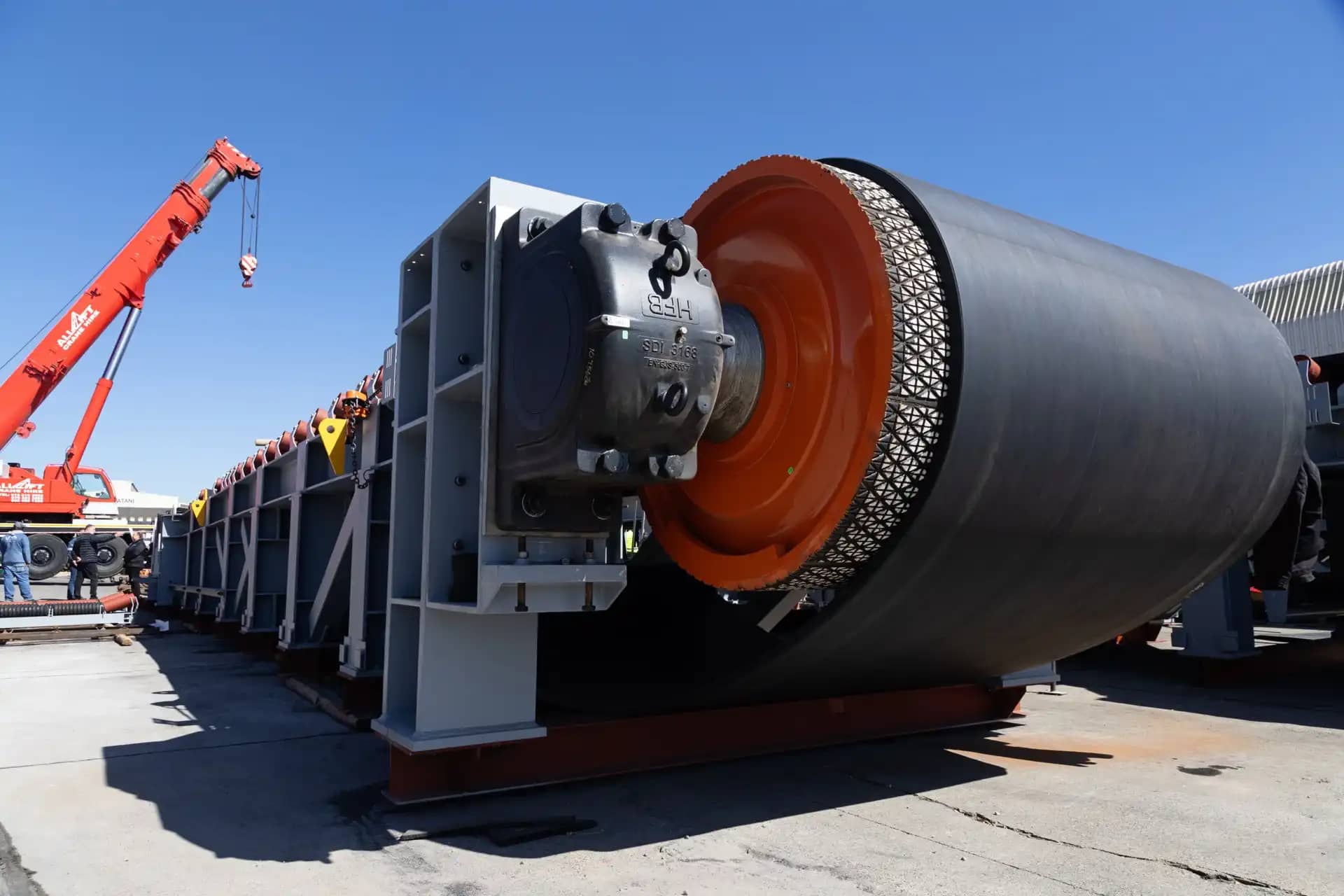
Lorbrand idlers and pulleys across the second concentrator at the Centinela copper mine, from the in-plant conveyors to the primary crushing belt feeders.
2025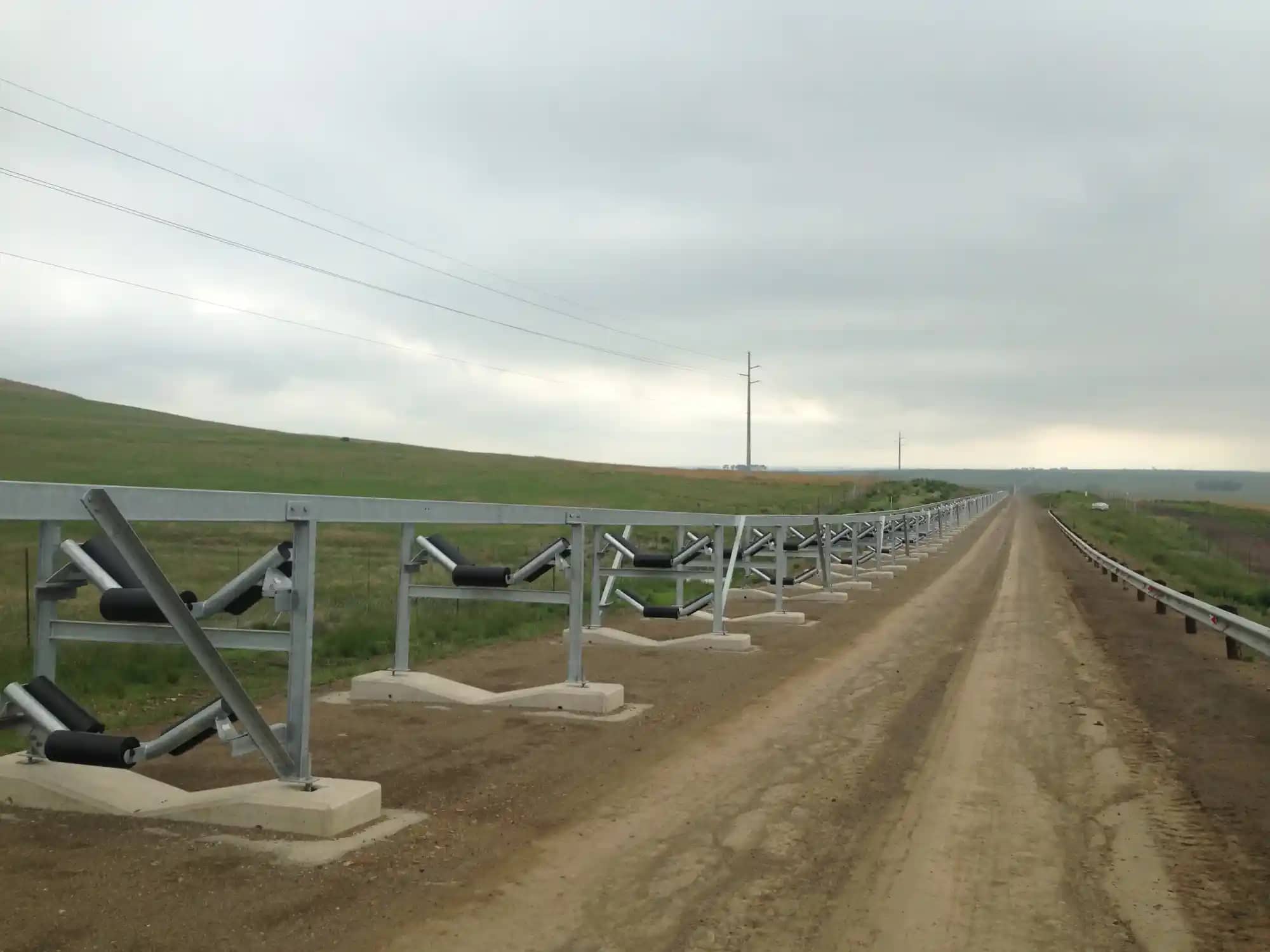
The world's longest single-flight conventional belt conveyor, with Lorbrand the sole idler and pulley supplier.
2015